

In the heart of rural and tribal India, access to fresh, nutritious vegetables often remains a challenge—especially for women and children. Land scarcity, rising food costs, and uncertain livelihoods make even basic greens a luxury. Avaada Foundation’s Har Ghar Micro Farming & Gardening Program is redefining this reality.
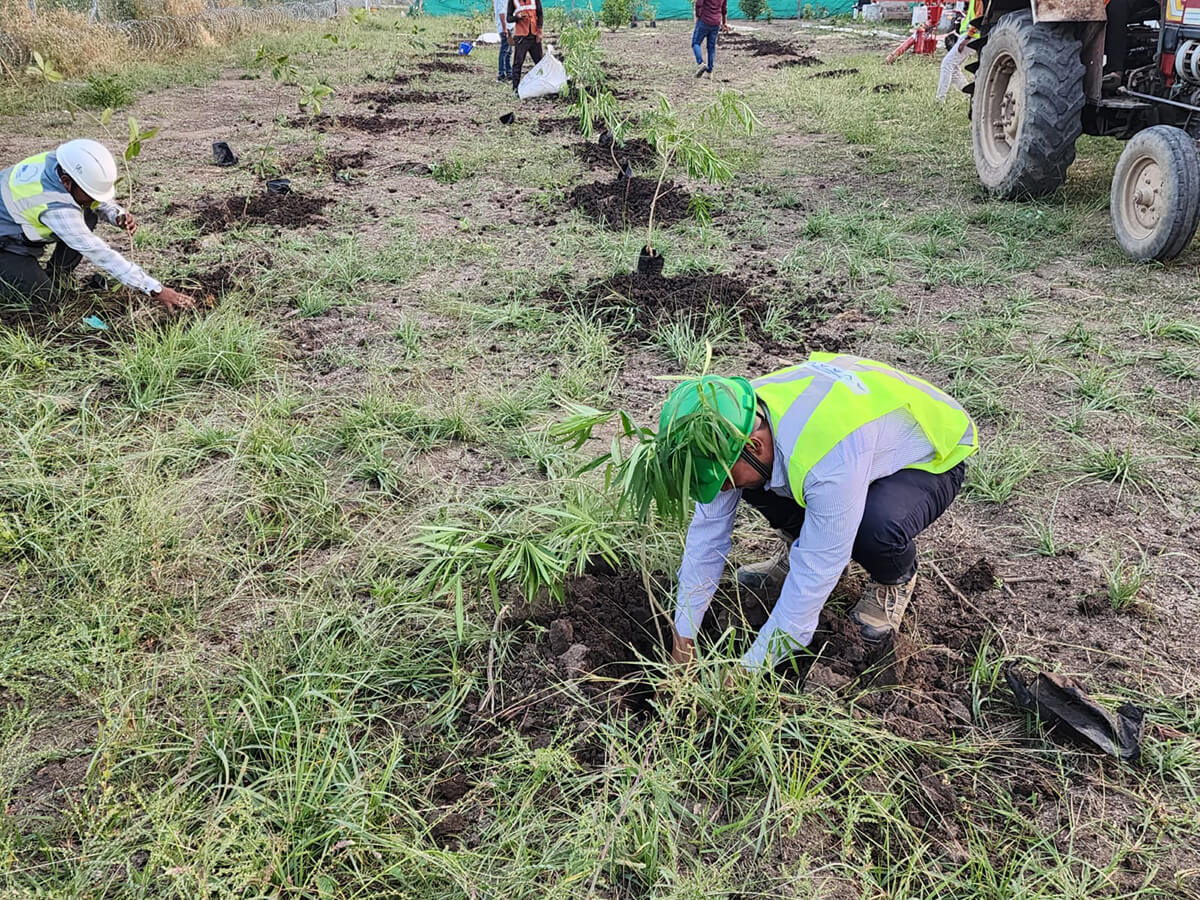
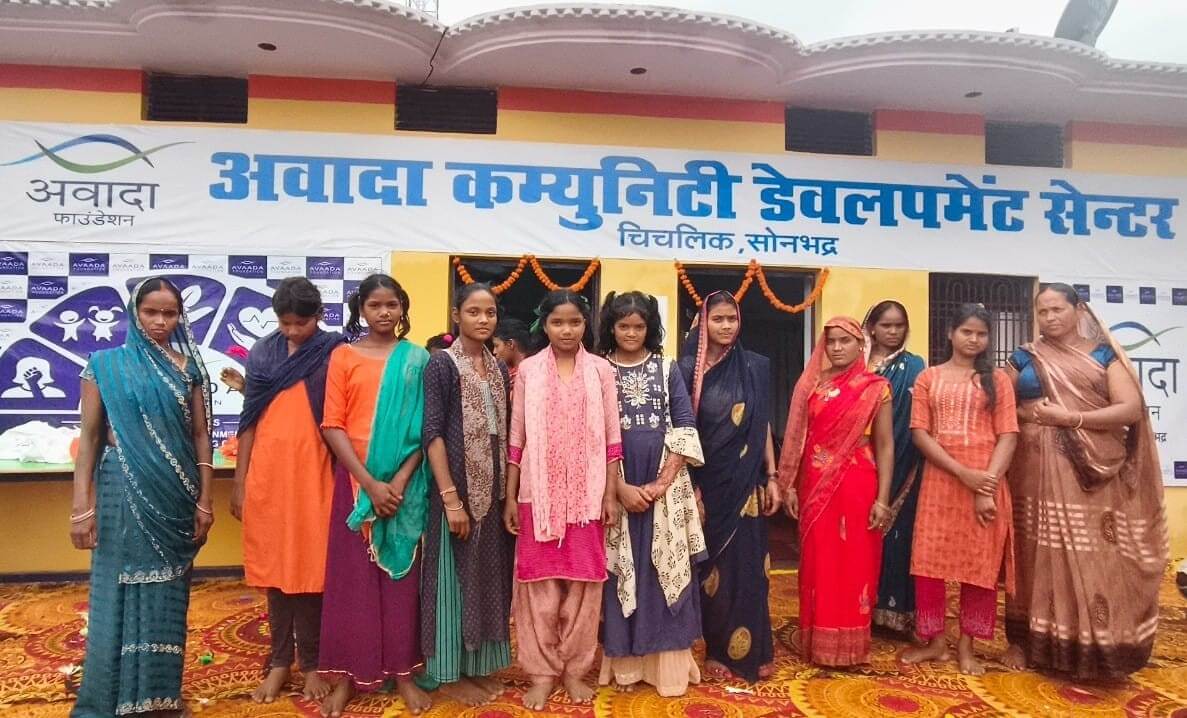
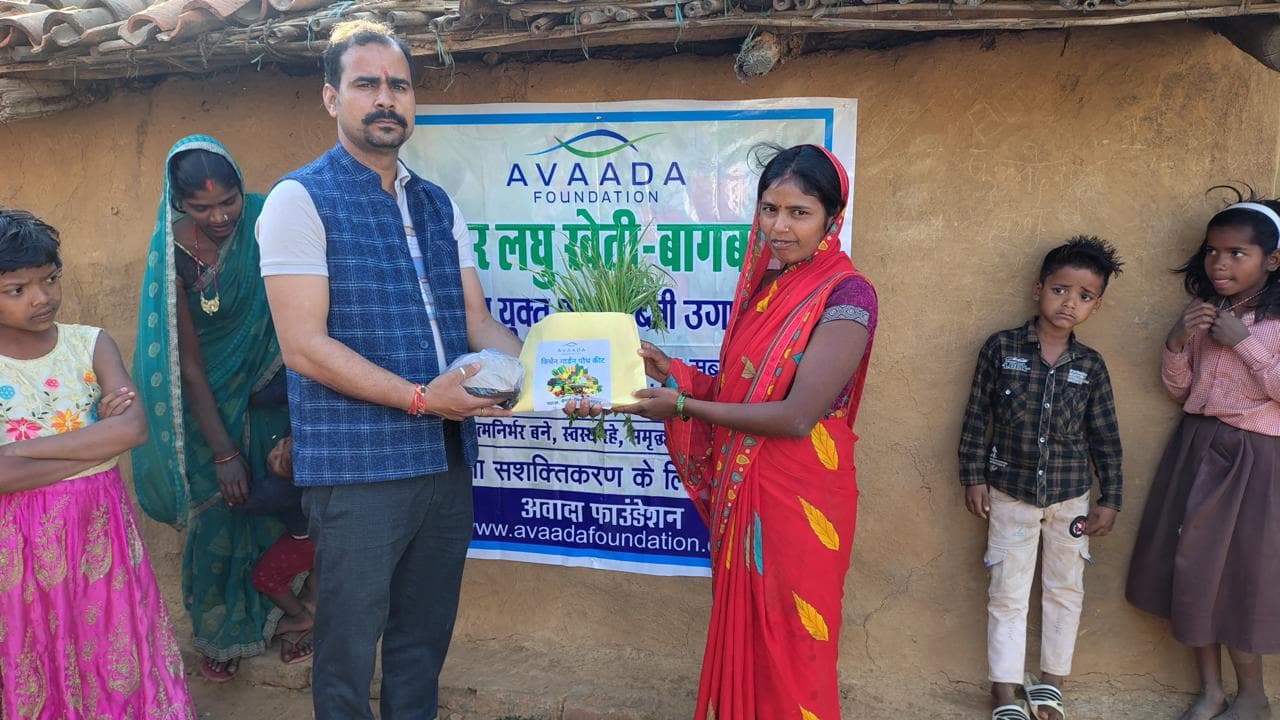
Across states like Rajasthan, Uttar Pradesh, and Maharashtra, the Foundation is equipping communities with the tools and knowledge to grow their own food. In Bharukhira (Rajasthan), 15 women received hands-on training and seed kits to kickstart home gardens. In Sonbhadra (Uttar Pradesh), over 115 farmers transformed their backyards into thriving patches of spinach, radish, fenugreek, and other seasonal greens—providing fresh food right at their doorstep.
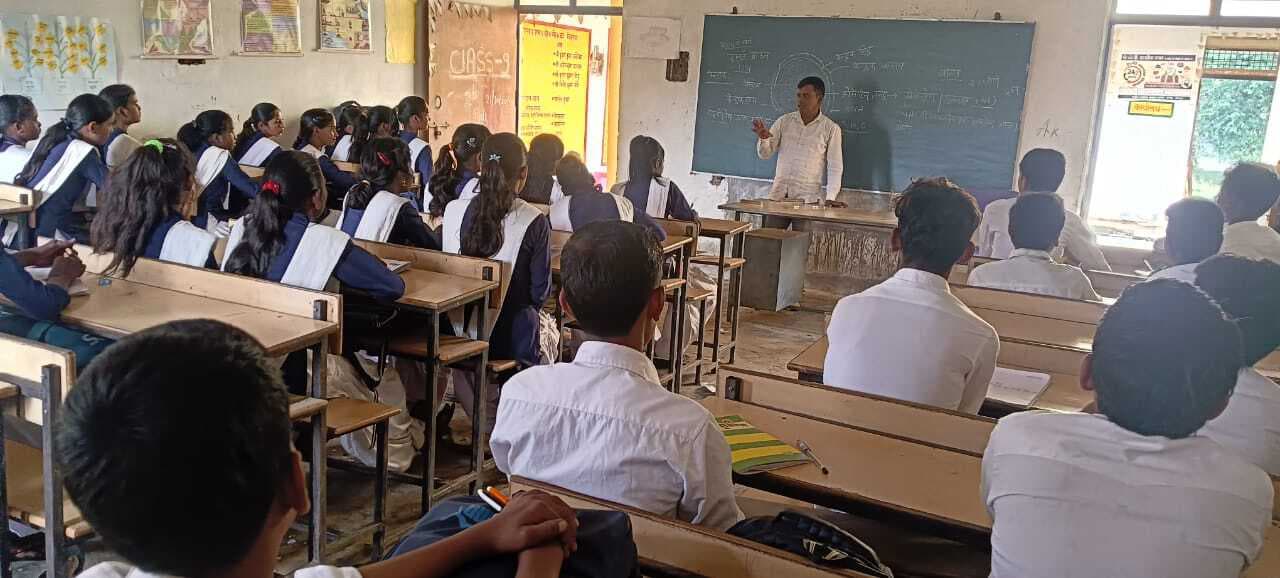
The impact is powerful and immediate. In Badaun, 300 residents collectively consumed 90 kg of homegrown vegetables, significantly cutting costs and boosting nutrition. Meanwhile, in Shirajgaon Korde (Maharashtra), schoolchildren are cultivating the very vegetables that enrich their midday meals—turning classrooms into fields of learning and nourishment.
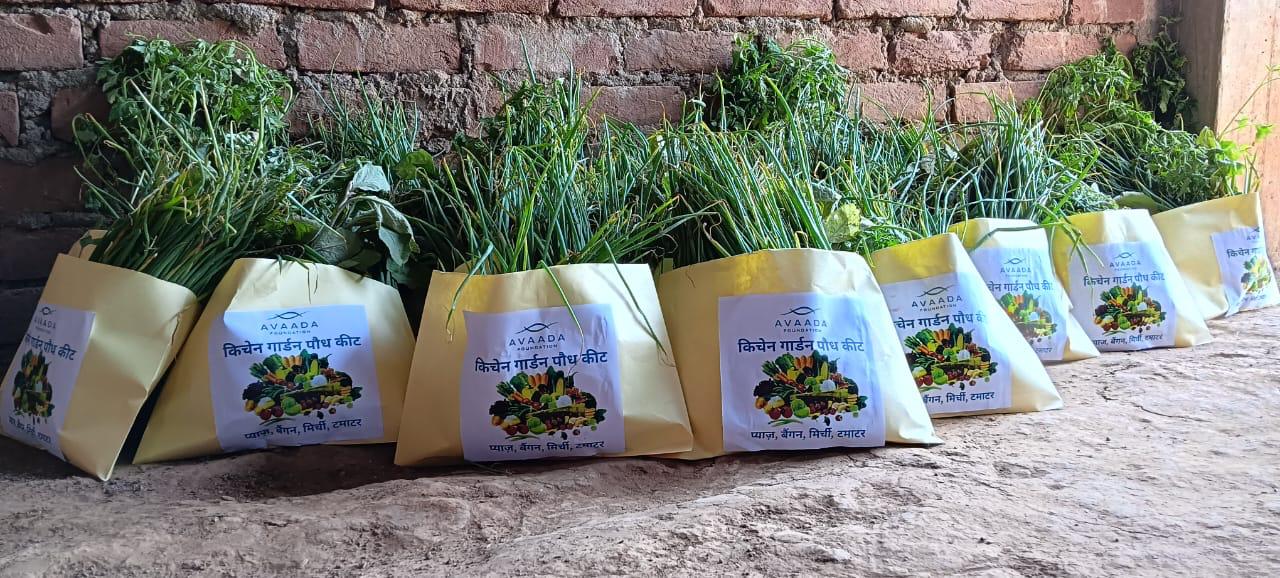
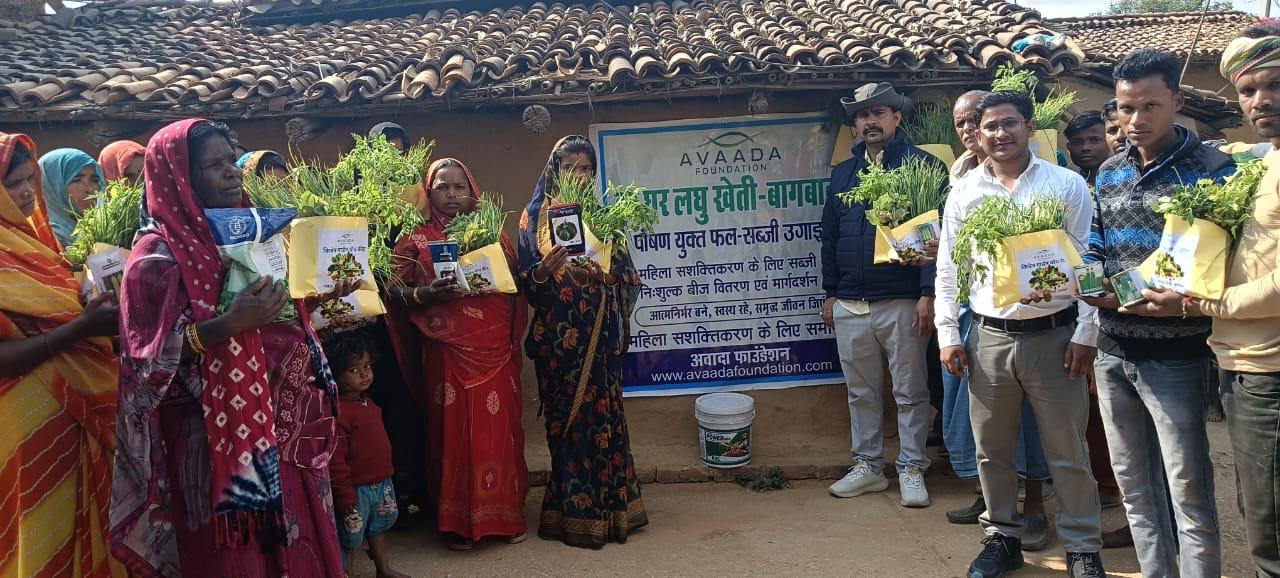
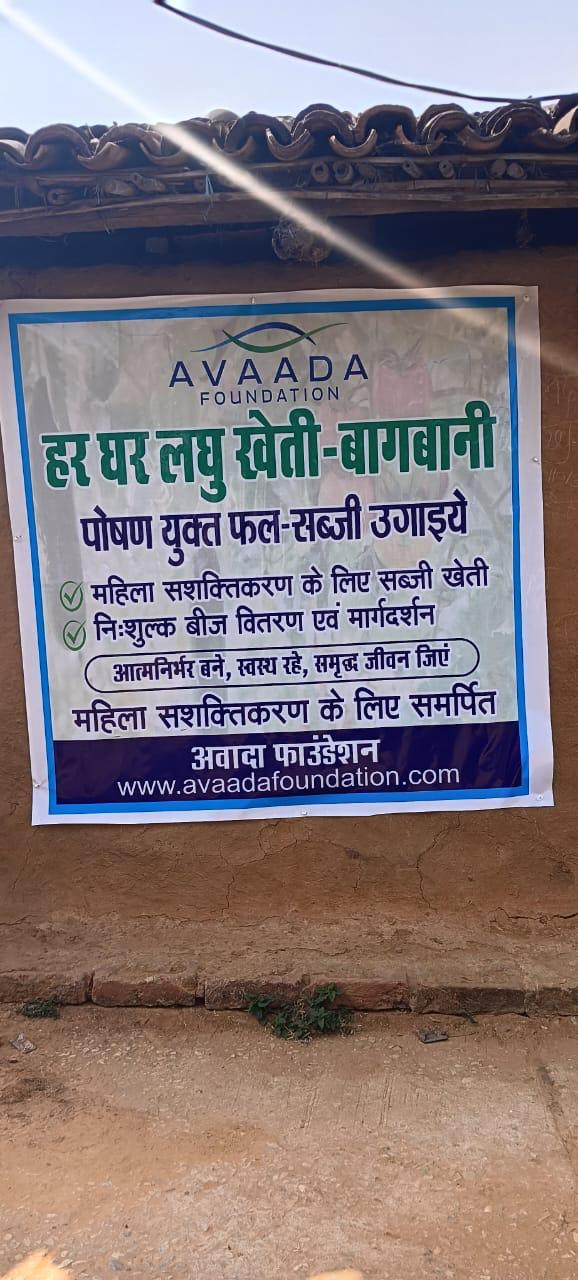
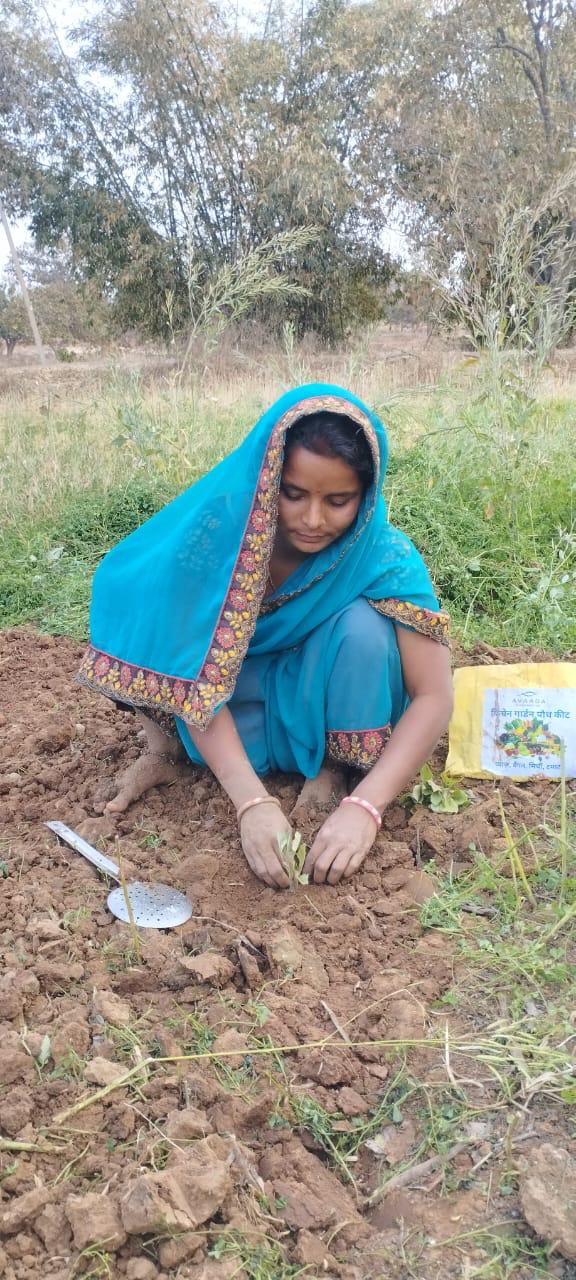
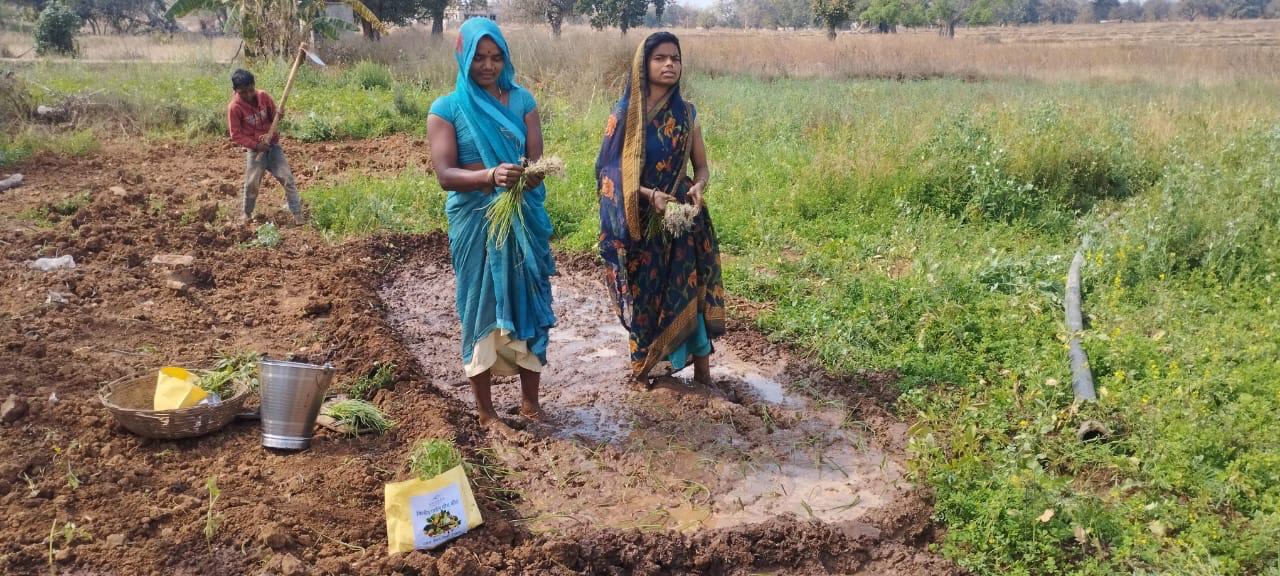
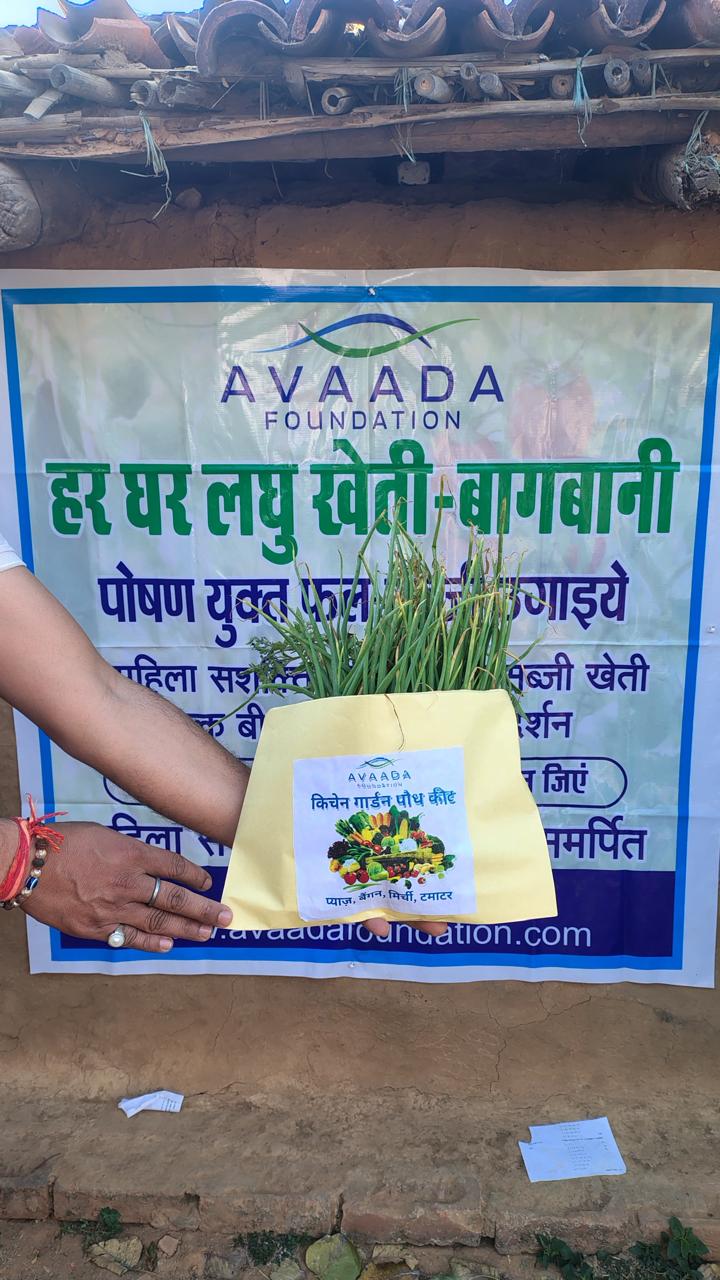
With support in the form of training, seed packs, organic fertilizers, and expert guidance, Avaada Foundation’s initiative is not just about growing vegetables—it’s about growing independence, health, and dignity. These kitchen gardens are blooming symbols of sustainability, helping families move from dependence to self-reliance while nurturing a culture of better nutrition, savings, and community pride.
Through every seed sown, the Har Ghar Micro Farming Program is building stronger, healthier, and more resilient communities—proving that real change begins at home.