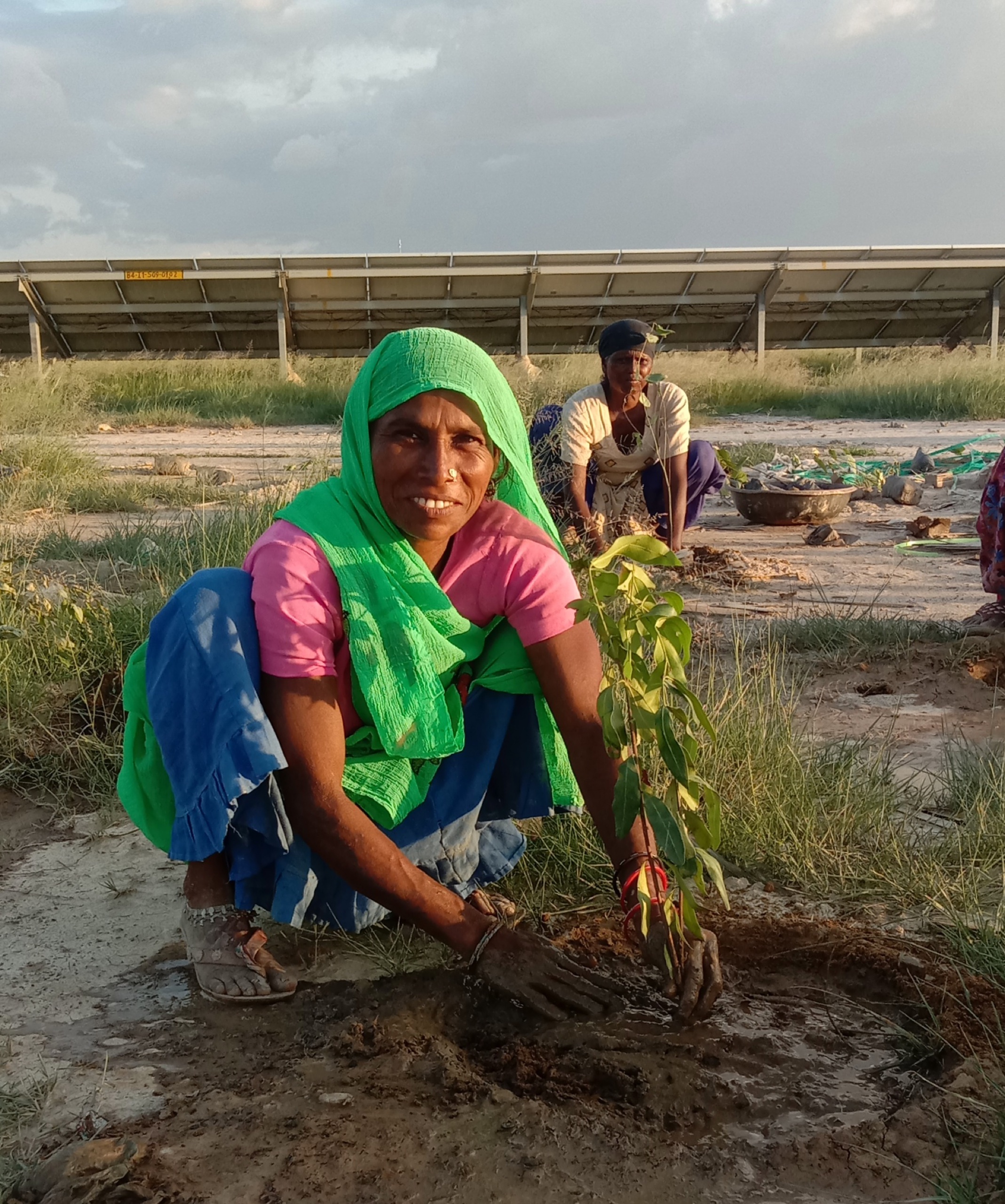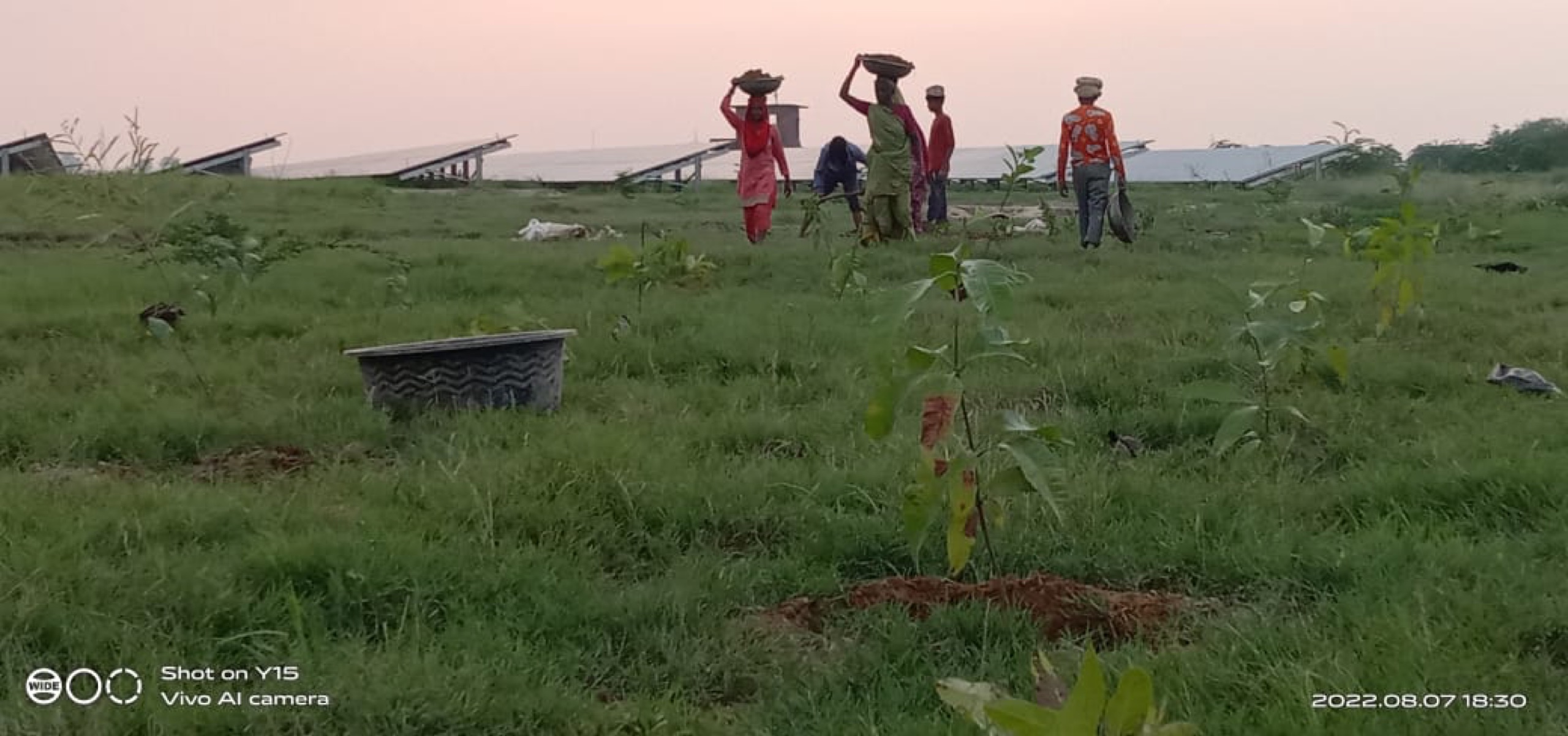


Environmental conservation remains one of Avaada Foundation’s key CSR priorities. Through plantation, ecological restoration, biodiversity conservation and community participation, the Foundation continues to create sustainable green landscapes and strengthen local ecosystems across India.
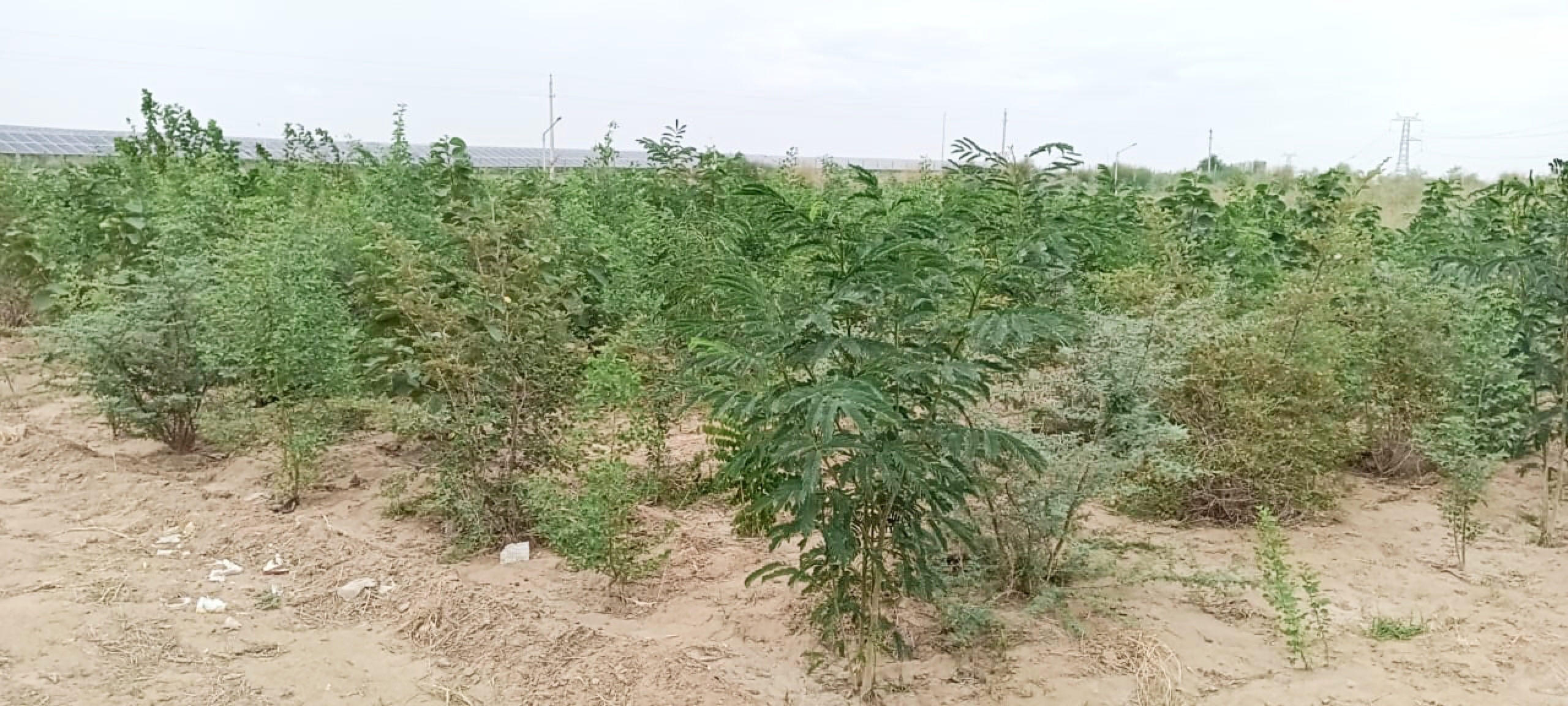
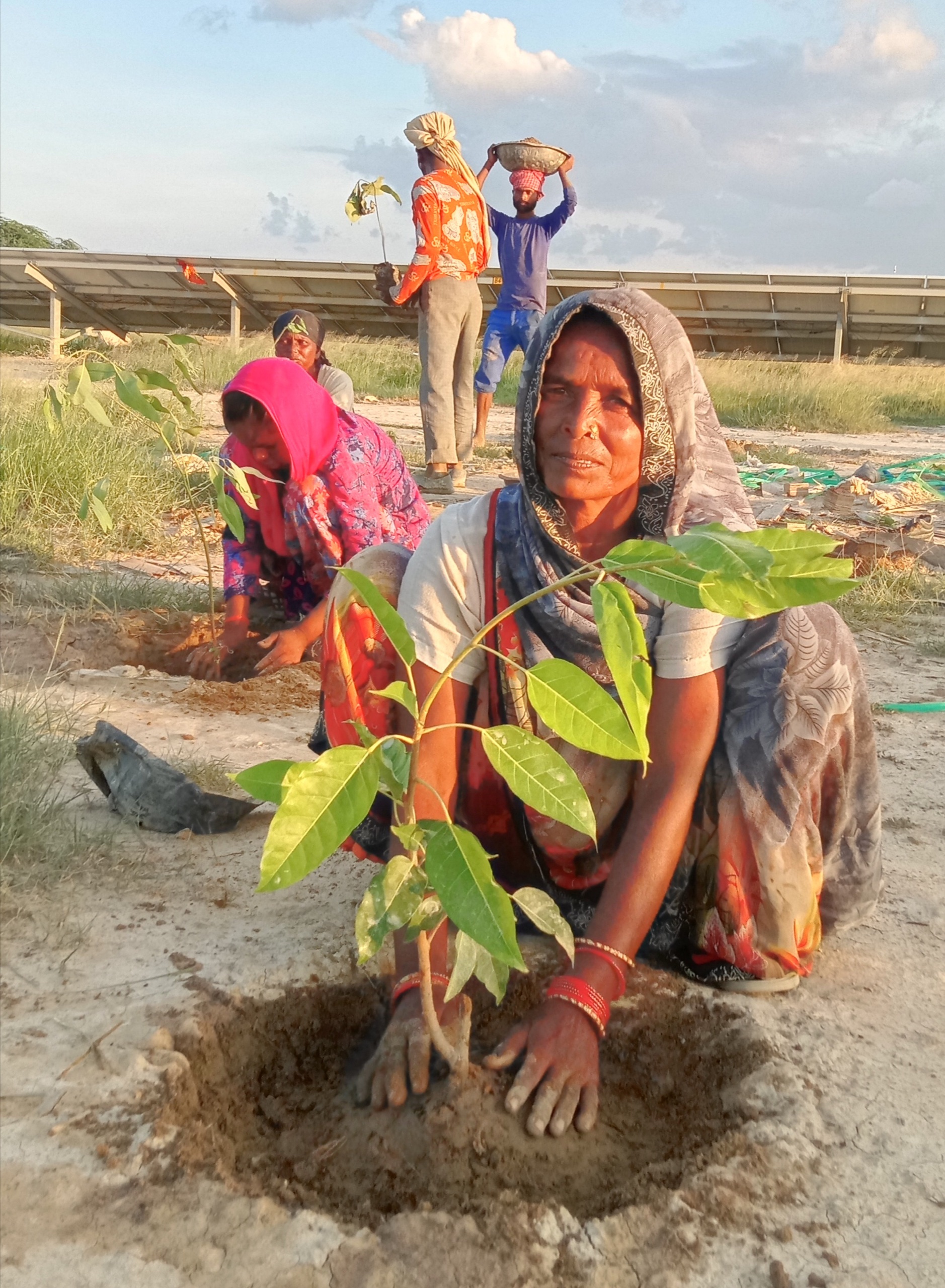
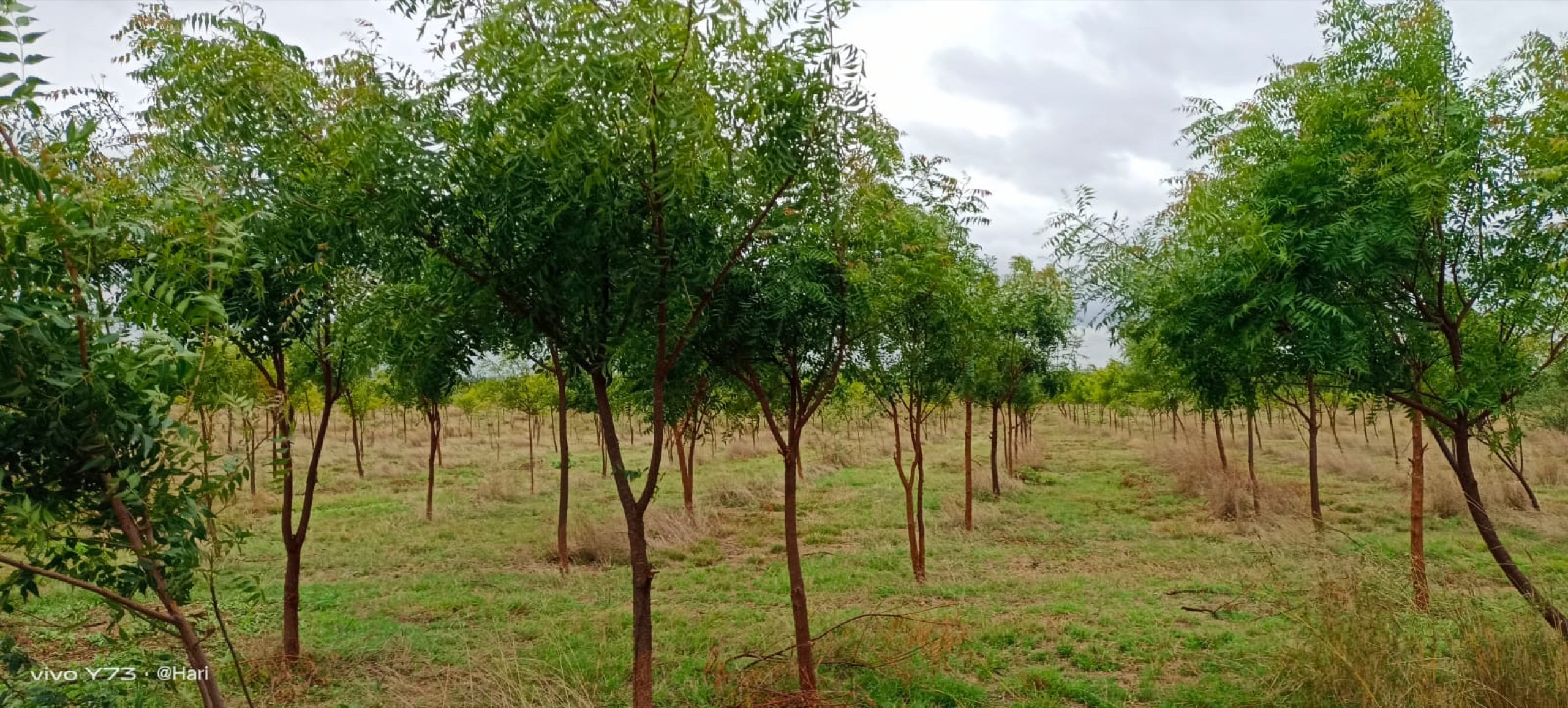
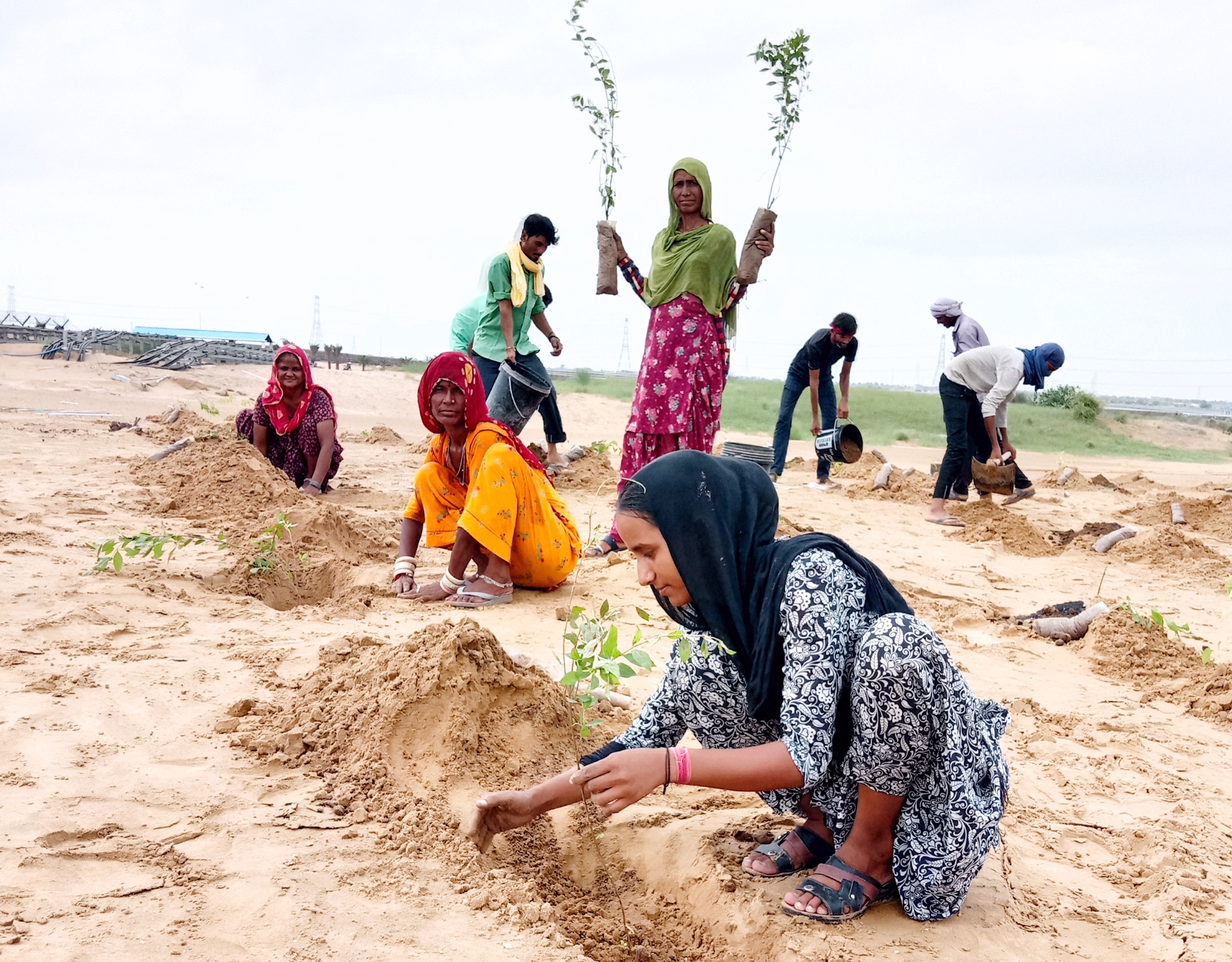
Over the years, Avaada Foundation has developed green belts across seven states and more than 40 villages, covering over 200 acres. The Foundation has planted more than 1,15,000 native and climate-resilient saplings across Rajasthan, Uttar Pradesh, Maharashtra, Gujarat, Karnataka, Madhya Pradesh and Tamil Nadu. Scientific plantation practices, regular maintenance, monitoring and community stewardship have helped achieve an overall survival rate of 80–85%.
The Foundation selects native and climate-resilient species according to the agro-climatic and ecological conditions of each location. These plantations:
- Improve soil health and reduce soil erosion
- Enhance biodiversity and support local ecosystems
- Improve air quality and increase green cover
- Support carbon sequestration
- Restore degraded landscapes
- Build resilience against climate change
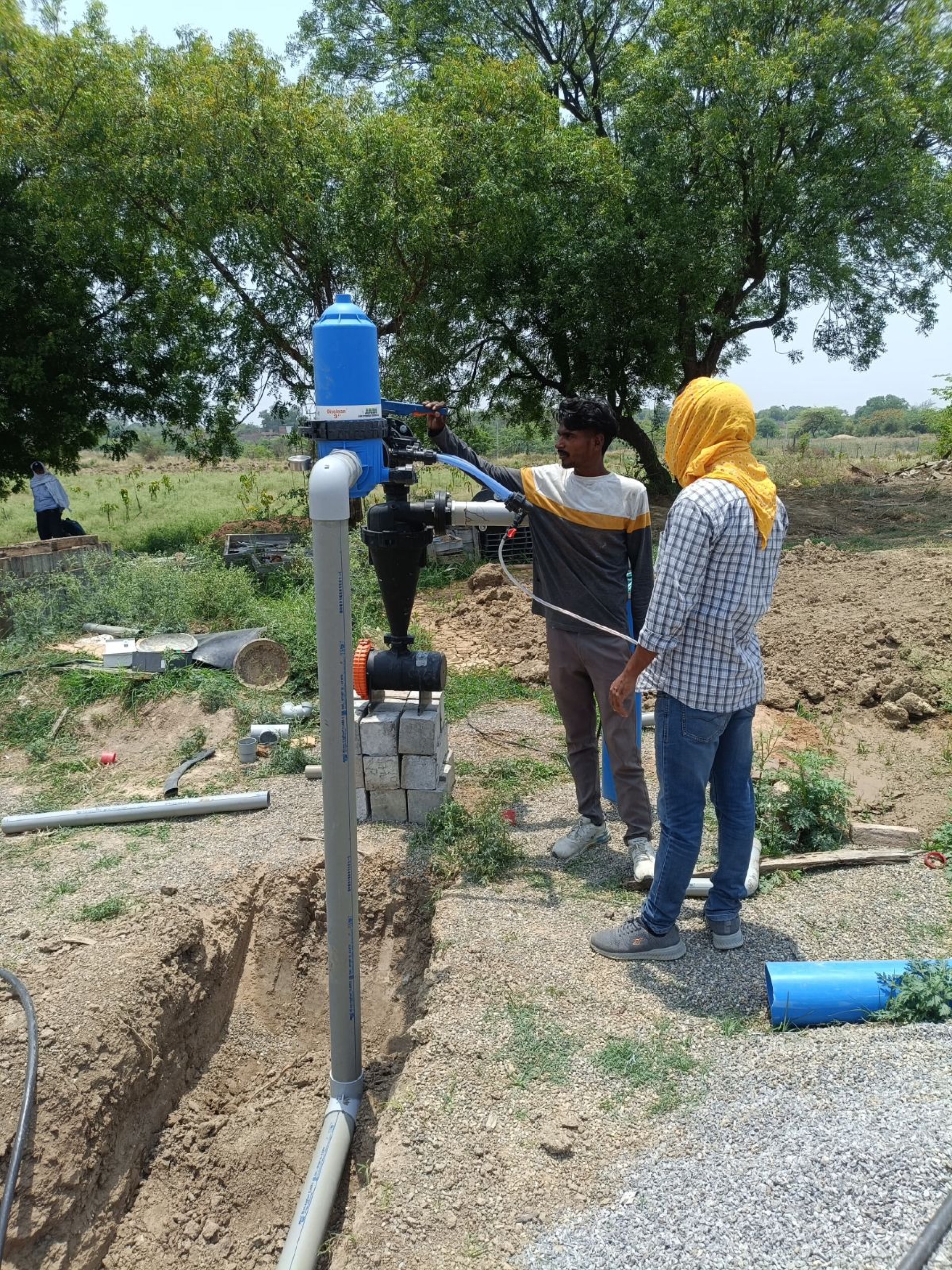
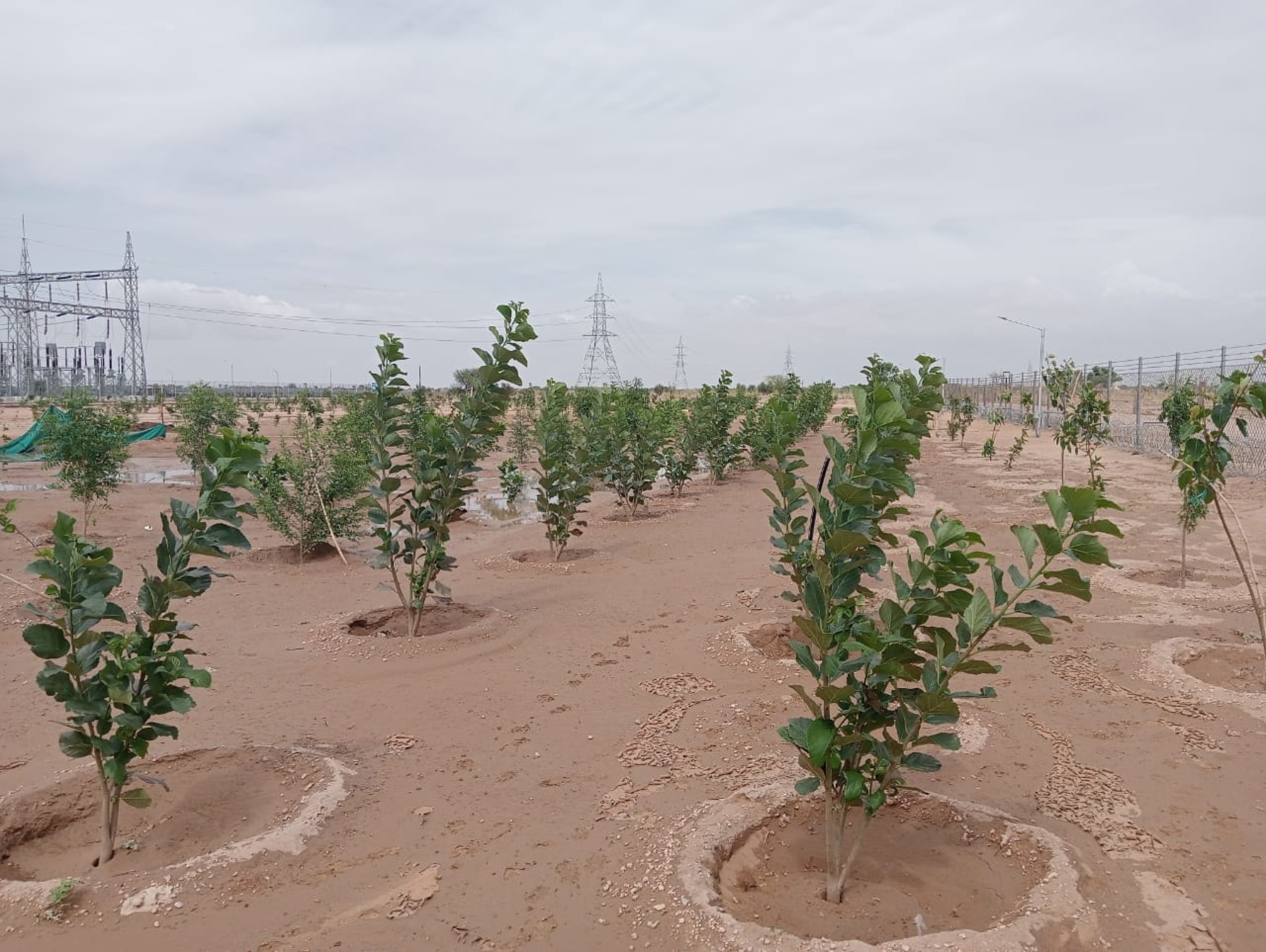
Through the Own a Tree Initiative, Avaada Foundation encourages employees to plant and nurture fruit-bearing trees. Employees have helped plant more than 10,000 saplings across 30 acres in Banda, Uttar Pradesh; Trichy, Tamil Nadu; and Pangaon, Khamgaon, Talegaon and Dhamangaon in Maharashtra.
These plantations include Kesar, Langda and Dashehari mangoes, along with guava, lemon and pomegranate. Scientific management and regular monitoring have helped achieve a survival rate of 85–90%.
The Foundation also uses the Miyawaki plantation technique at suitable locations. It plants Neem, Peepal, Arjun, Karanj, Shisham, Amla, Shahtut, Moringa and Mehendi to support faster canopy development and ecological restoration.
In Rajasthan, Avaada Foundation has planted more than 3,500 Khejri trees across Gaushalas and community lands in Bikaner. This native tree carries deep ecological and cultural significance and supports the fragile desert ecosystem.