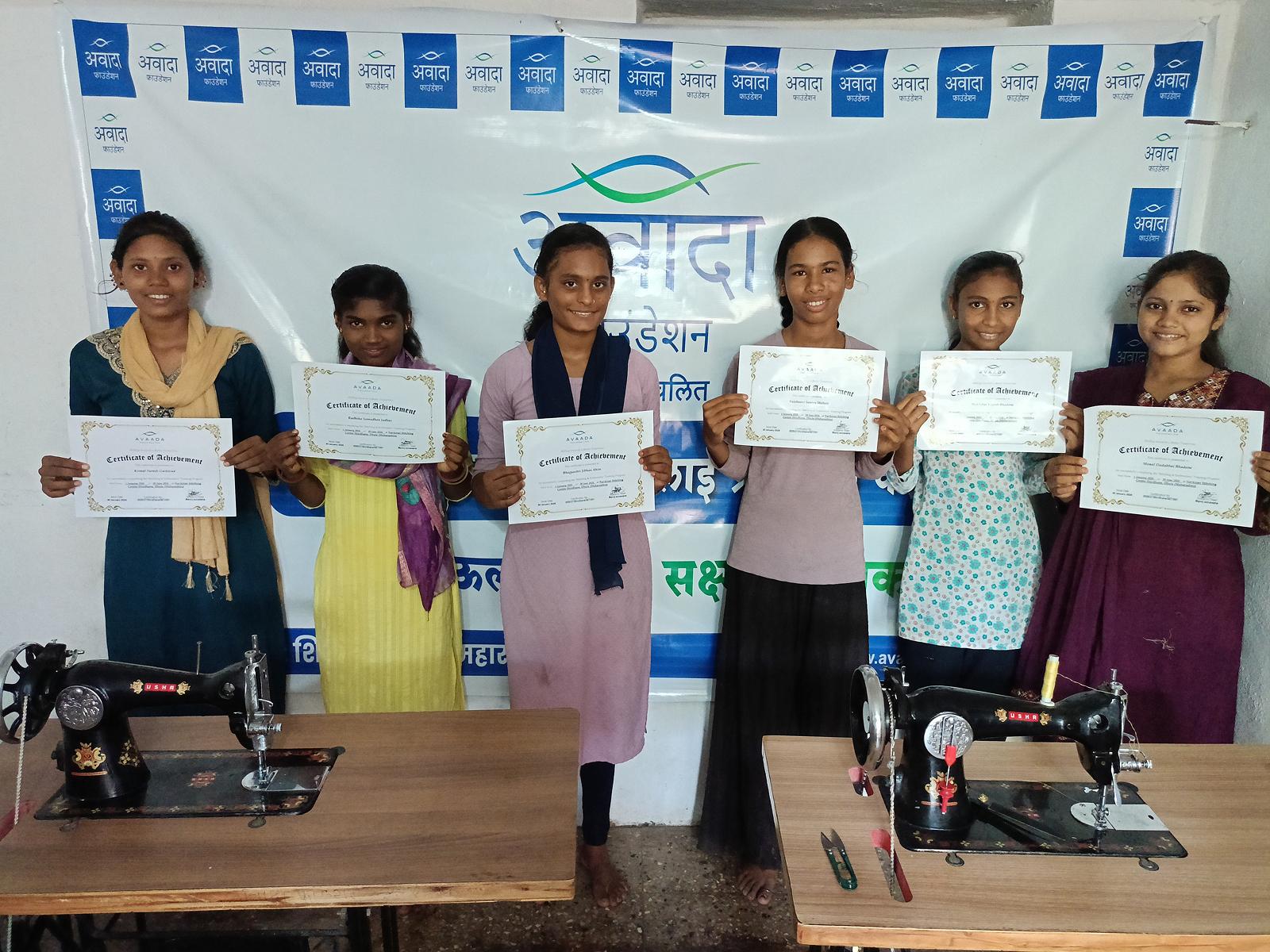
Around Avaada’s 850 MW MSEDCL Hybrid Solar Power Project, Avaada Foundation is creating measurable change in Shirdhane by strengthening education, employability, healthcare and women’s livelihoods.
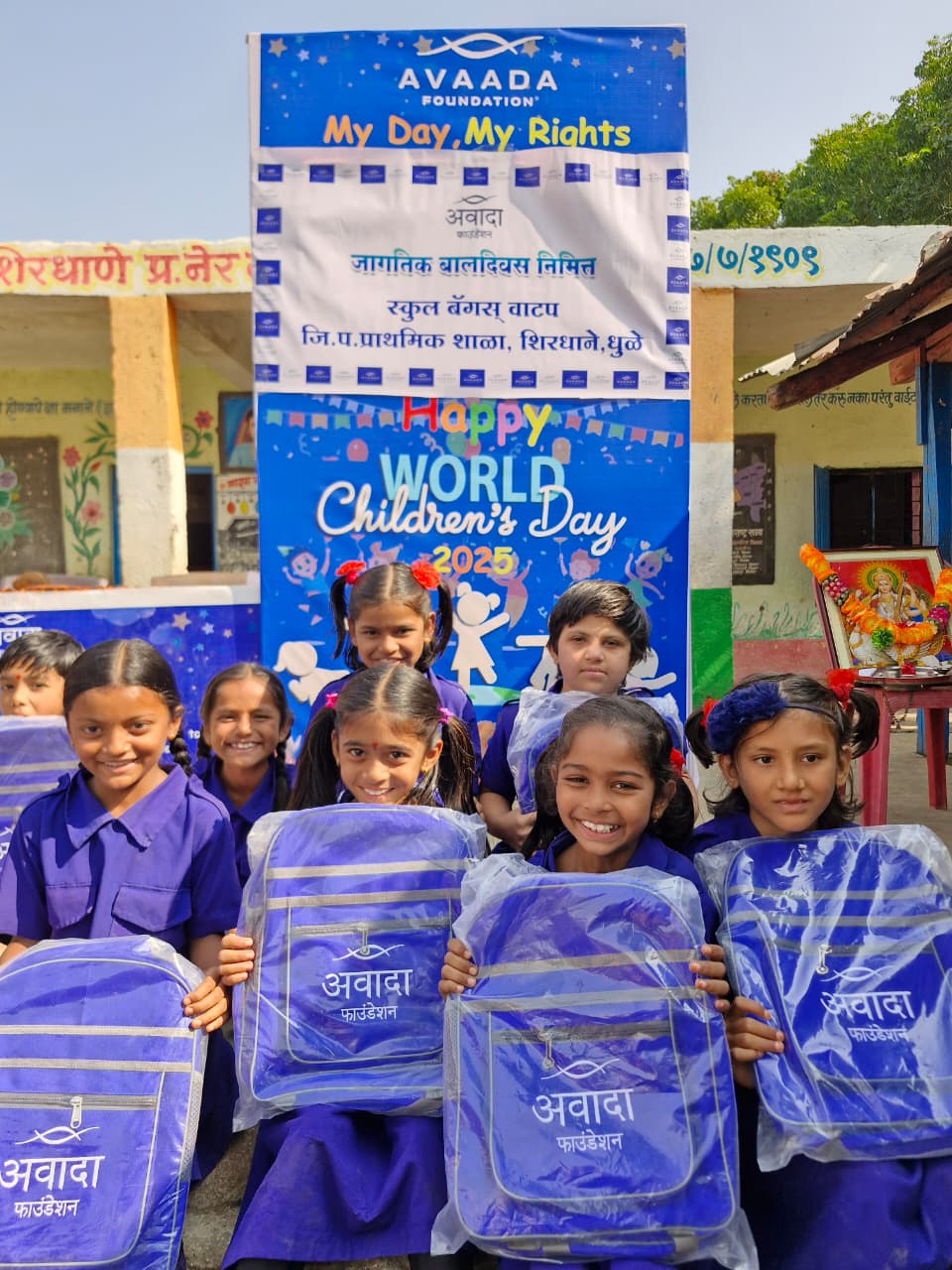
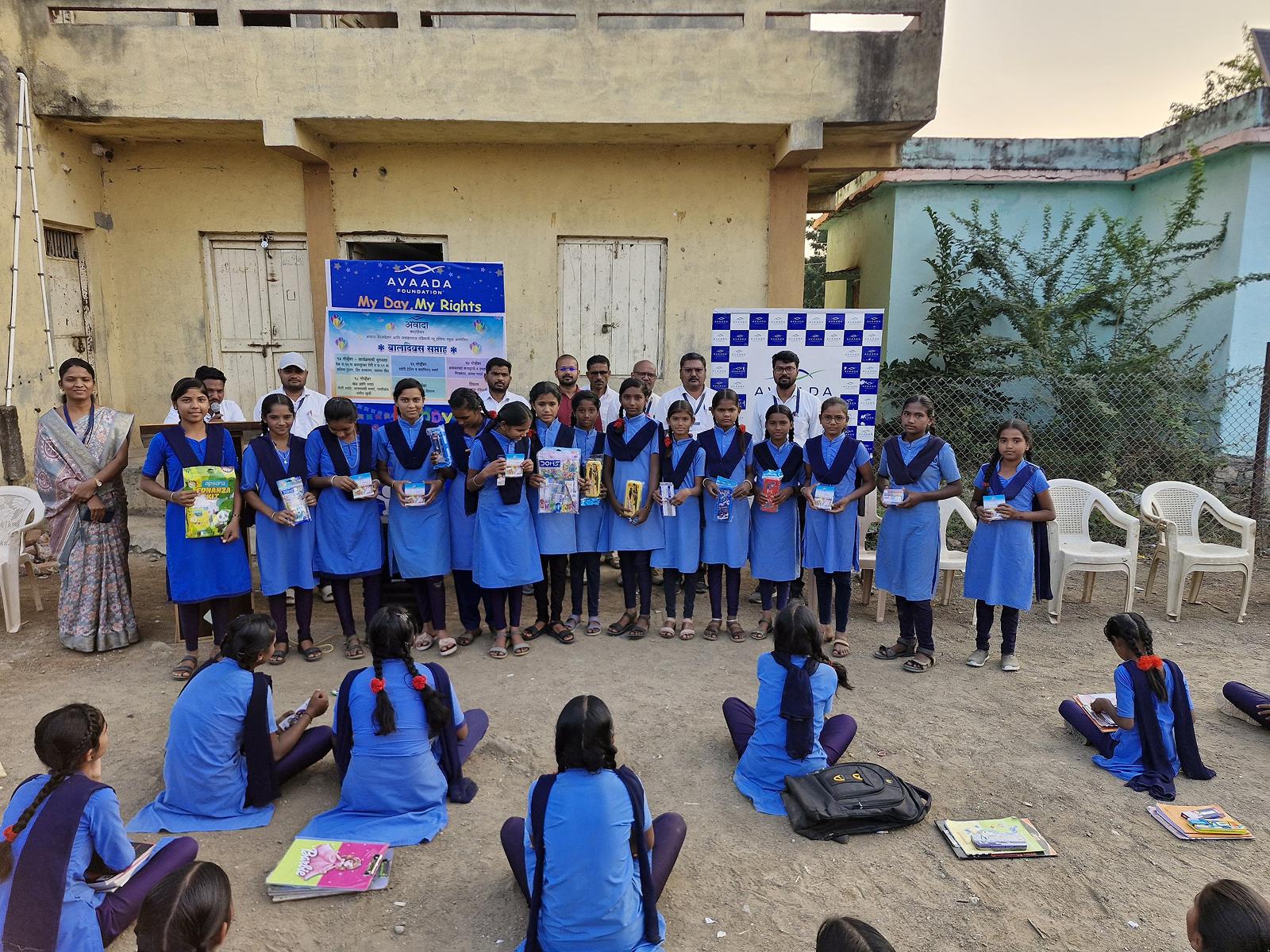
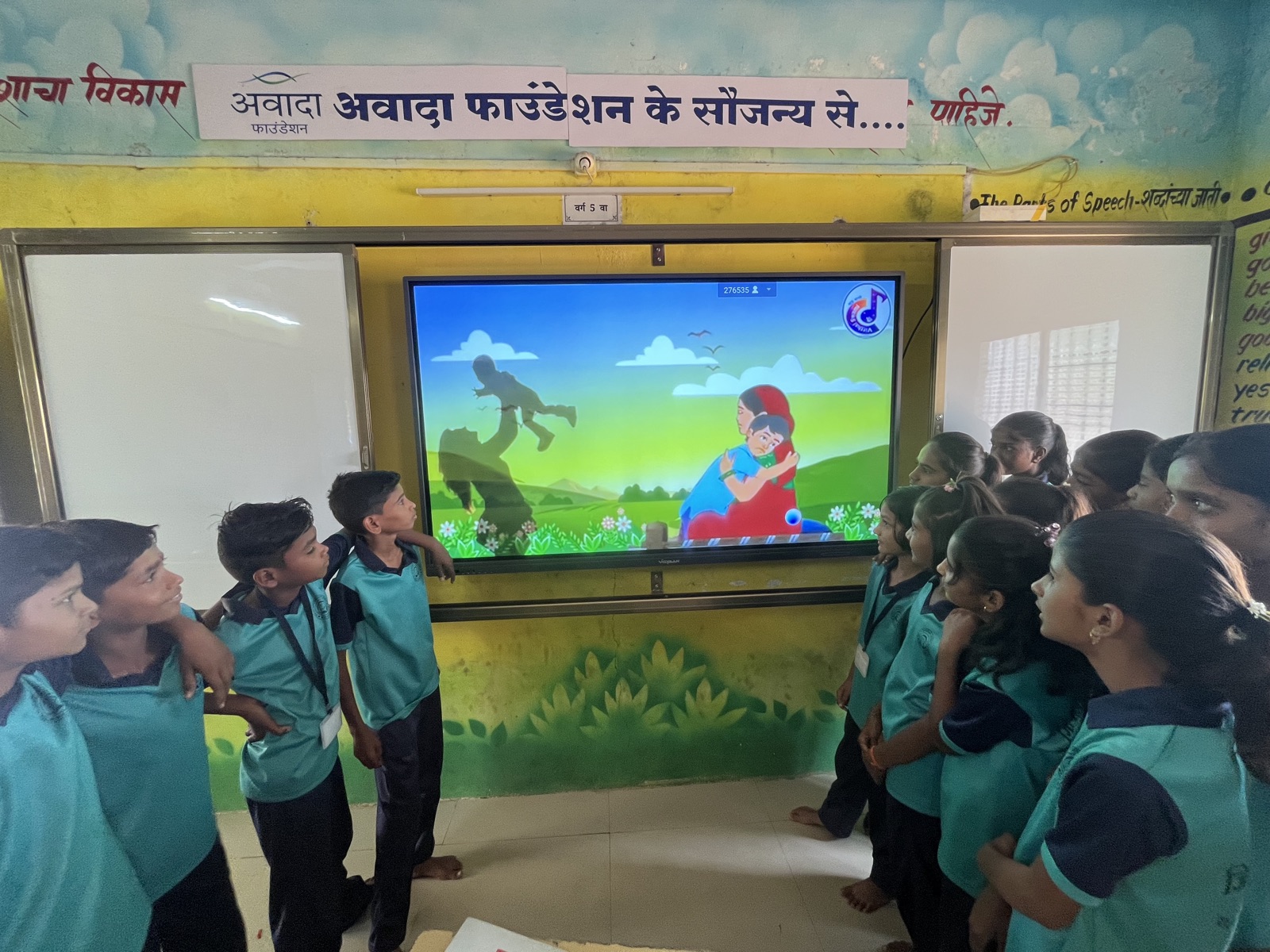
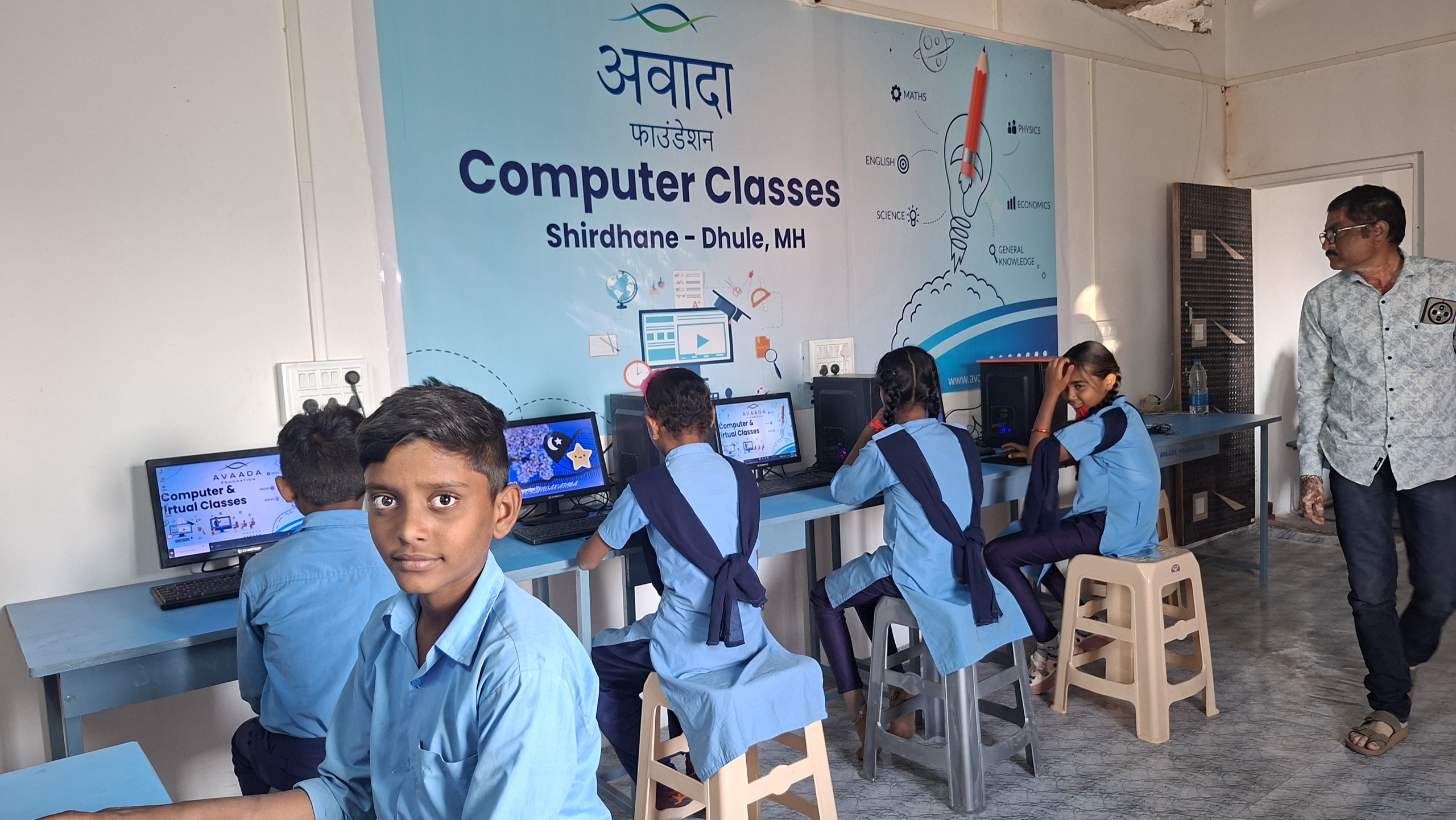
Avaada Foundation renovated classrooms, constructed gender-segregated toilets, introduced virtual learning and provides academic and computer education to nearly 450 students annually. Free tuition and bridge-learning support are strengthening learning levels and academic performance. Bicycles are helping prevent dropouts caused by long travelling distances, with some bicycles shared by two children. Educational support to orphaned children, school bags, study material and free coaching are helping financially vulnerable students continue their education without lack of resources becoming a barrier.
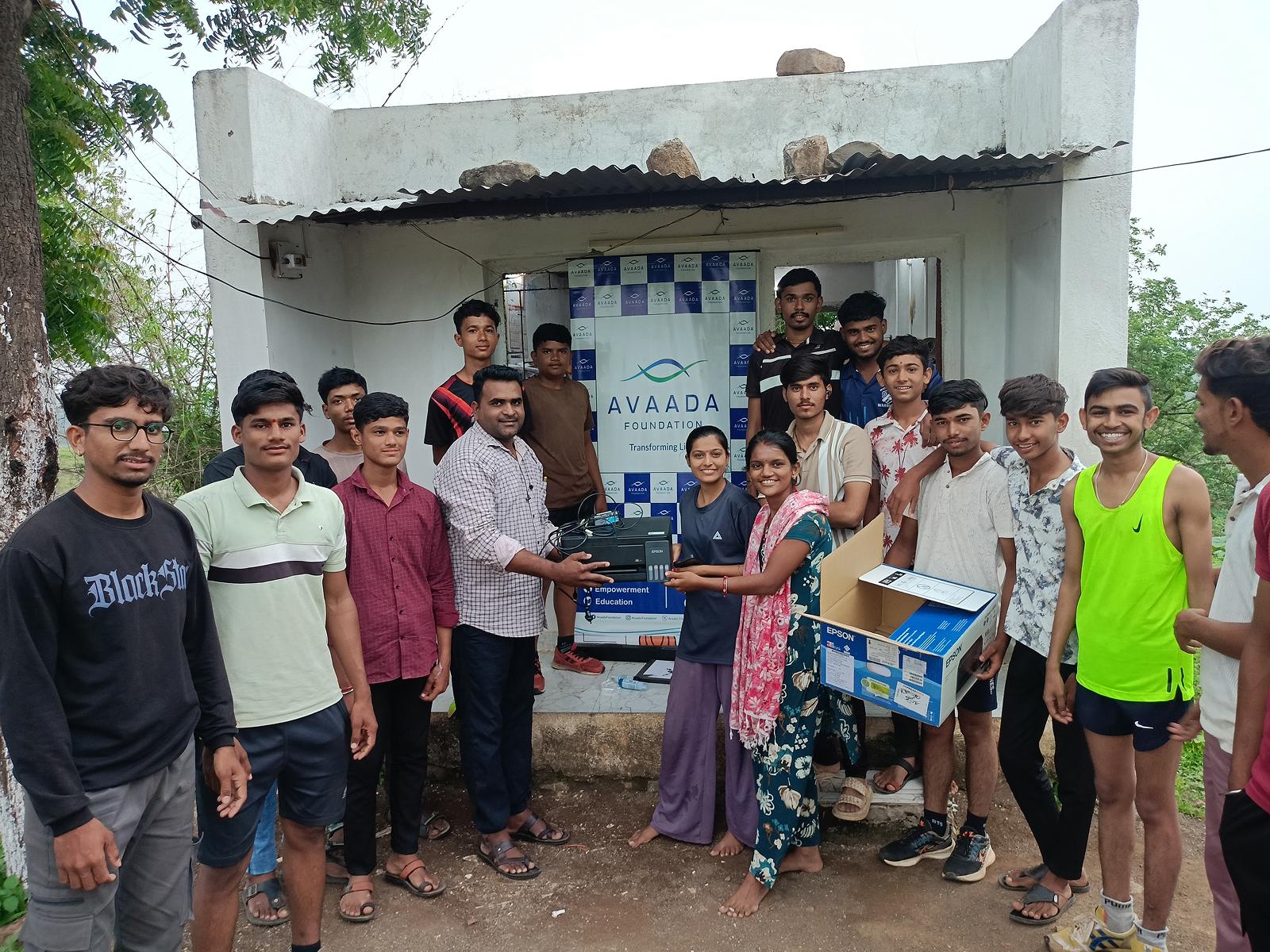
The digital transformation is equally visible. Children who were once hesitant even to touch a computer are now creating websites, Excel sheets, digital projects and Naukri.com profiles within a year of training.
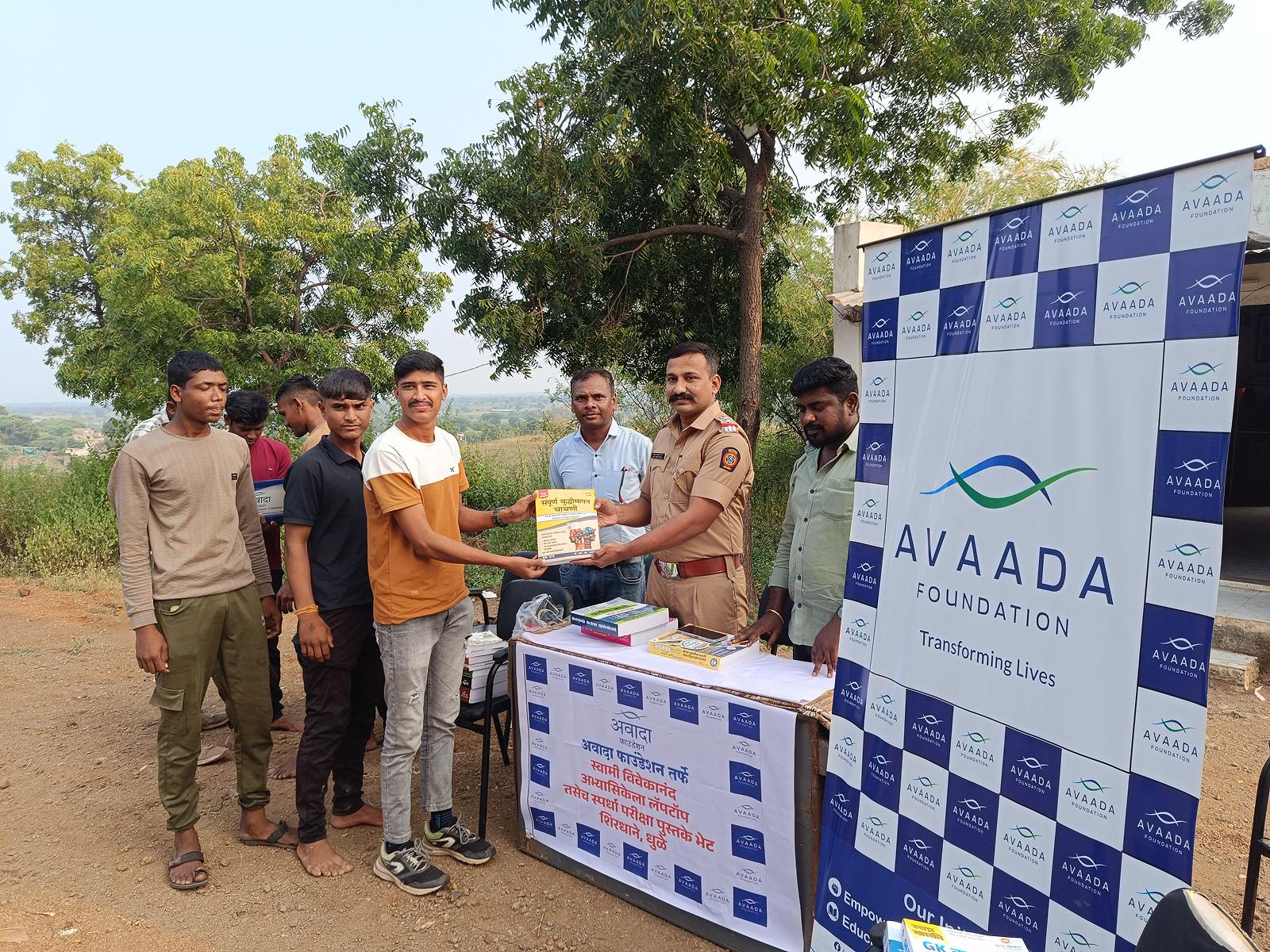
The Youth Study Centre, competitive-exam resources and a 400-metre running track are turning aspirations into careers. One youth has joined the Indian Navy, one the Indian Army, one the Maharashtra Security Force, while three secured selection in Mumbai Police this year. Several others missed selection by just 2–3 marks and are preparing again.
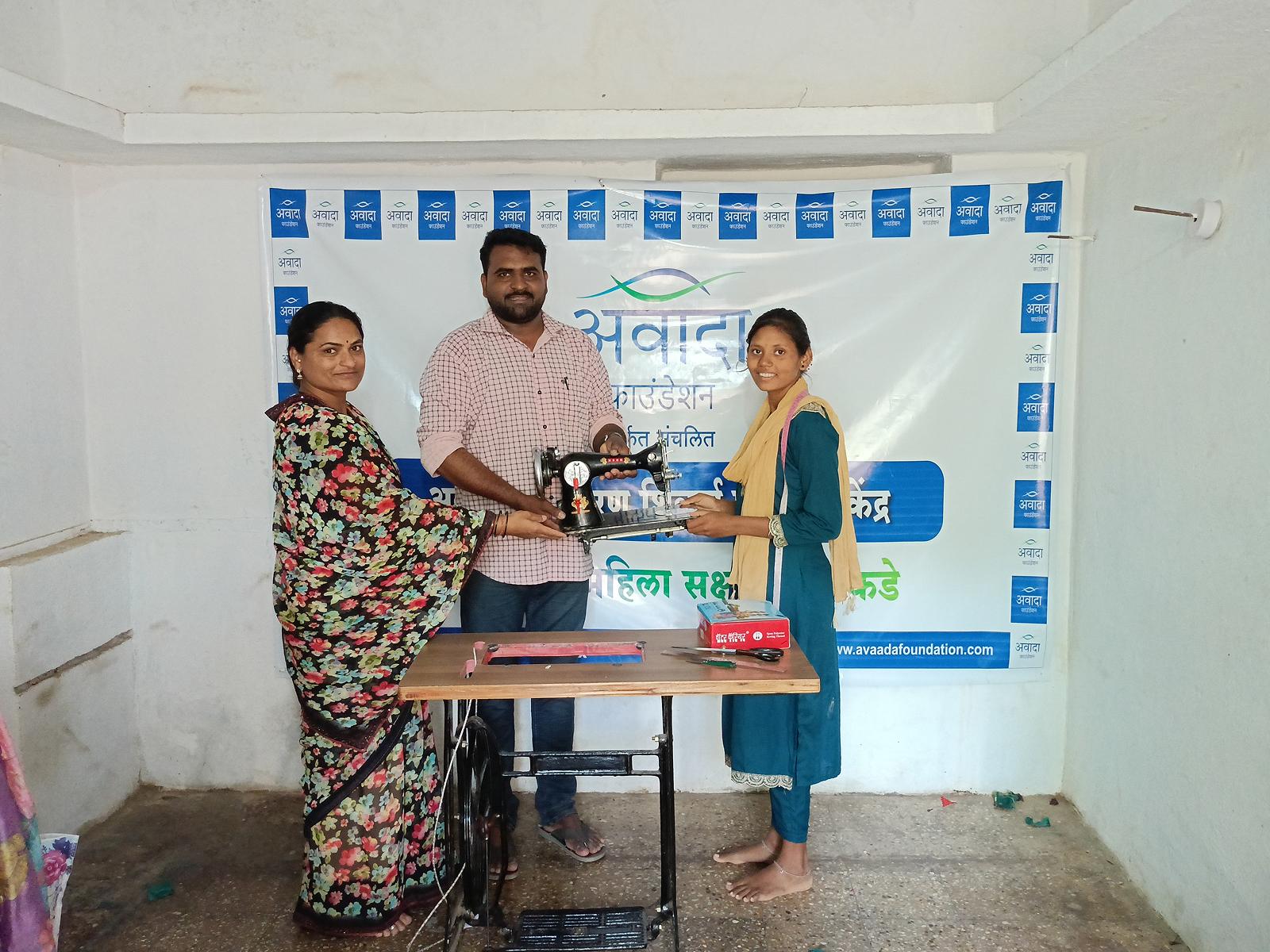
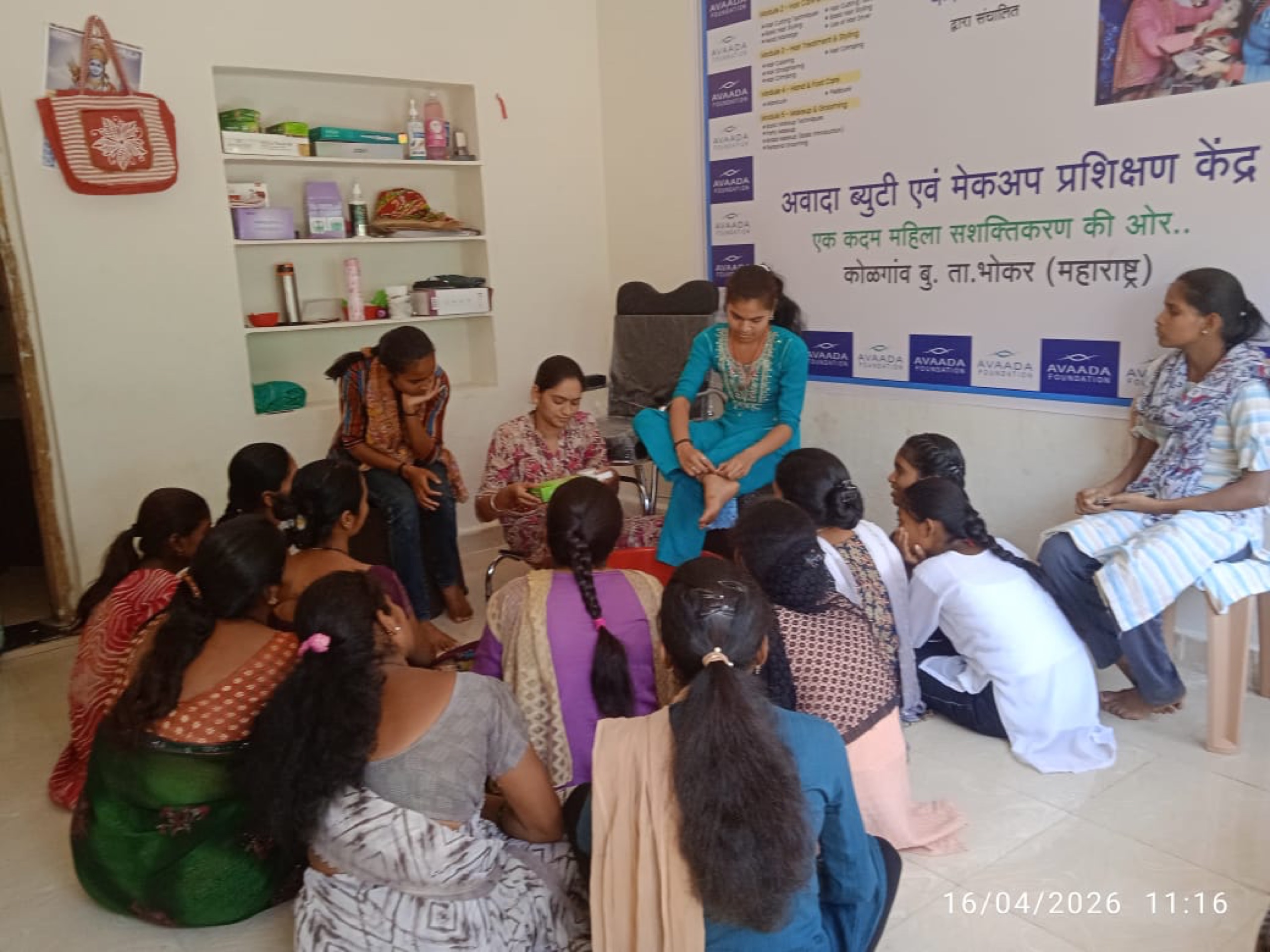
Avaada Foundation is also creating employment within the community itself, engaging local youth and women as teachers, computer trainers, centre coordinators and stitching trainers. The stitching centre, benefiting around 40 women, is building practical skills, confidence and pathways towards financial independence.
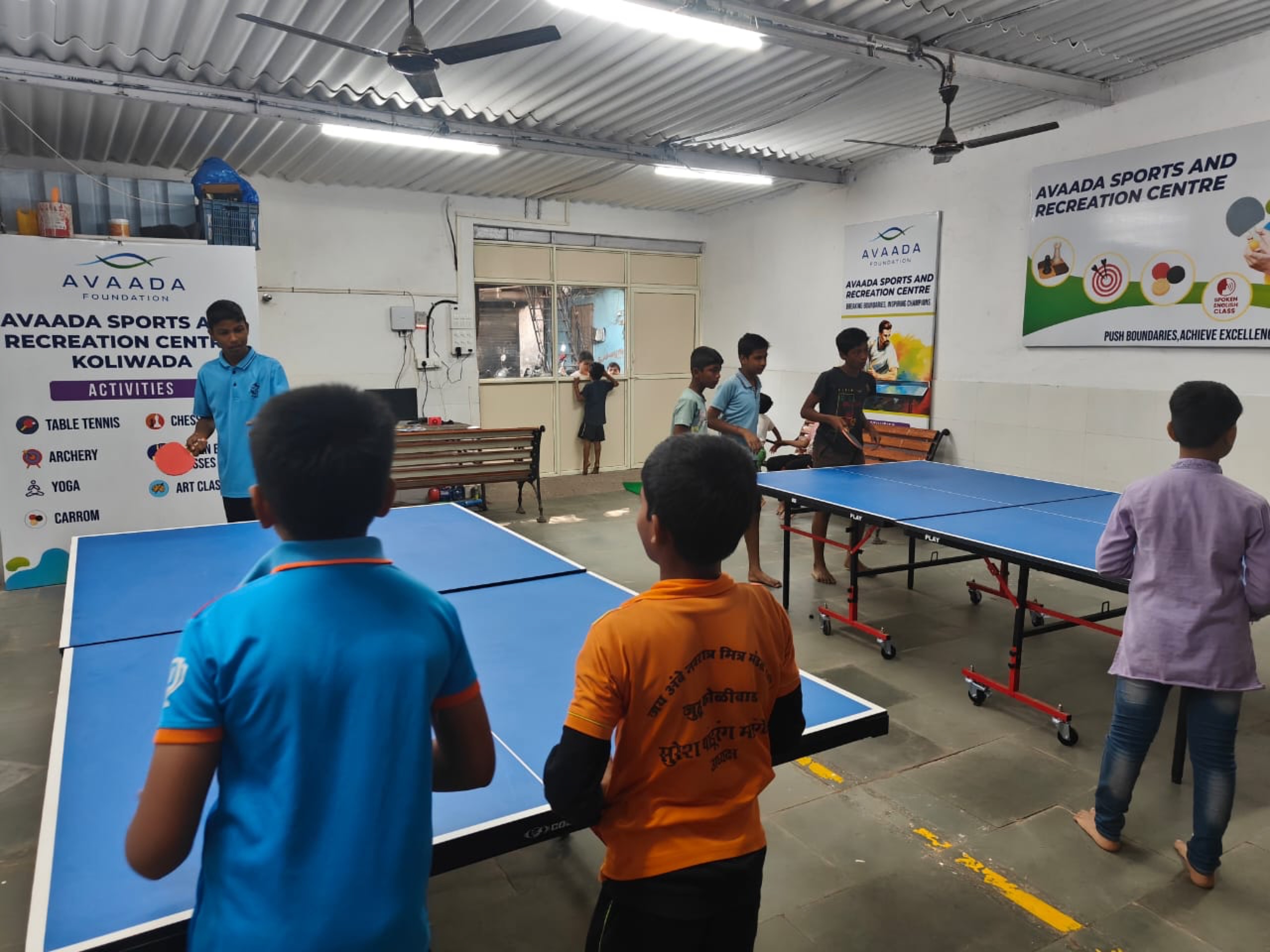
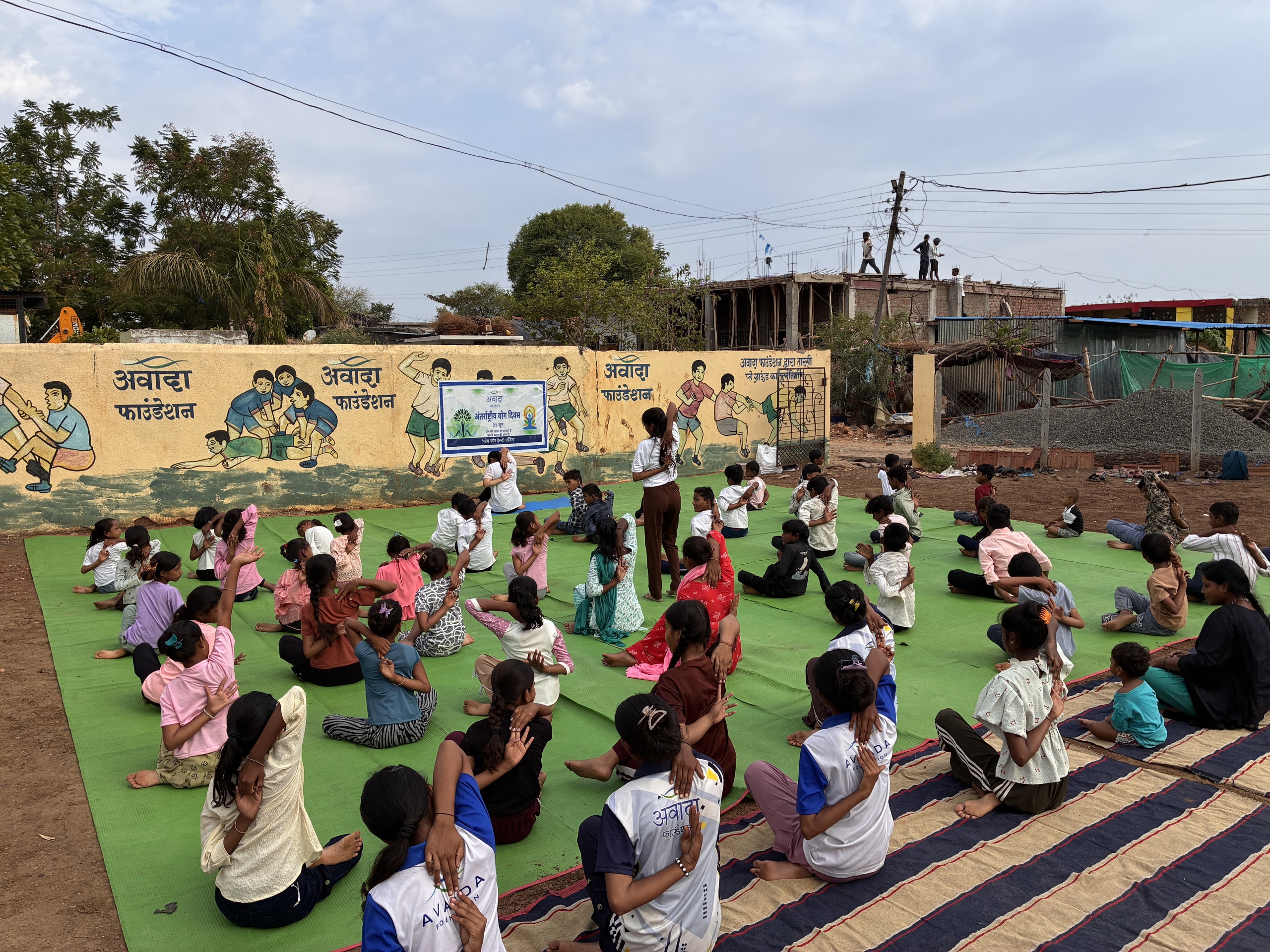
Summer Camps, educational tours, motivational sessions, workshops, Children’s Day, Gita Jayanti and other cultural programmes are now bringing exposure and learning experiences once largely accessible to urban children closer to rural youth.
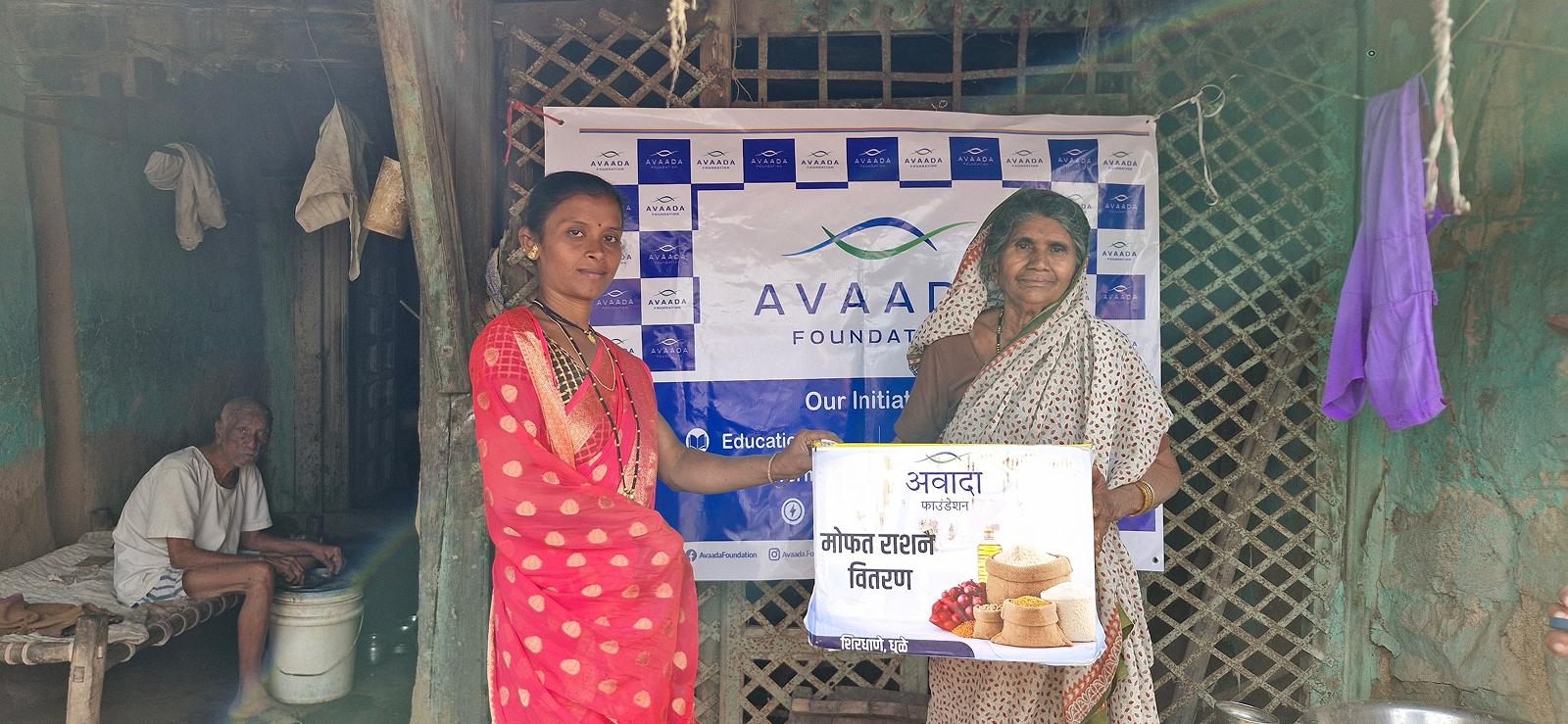
Alongside a 24×7 ambulance, agricultural support and assistance to vulnerable families, these interventions are creating a larger change: children are staying in school, youth are securing jobs, women are gaining skills, and rural families are beginning to see new possibilities for their future.