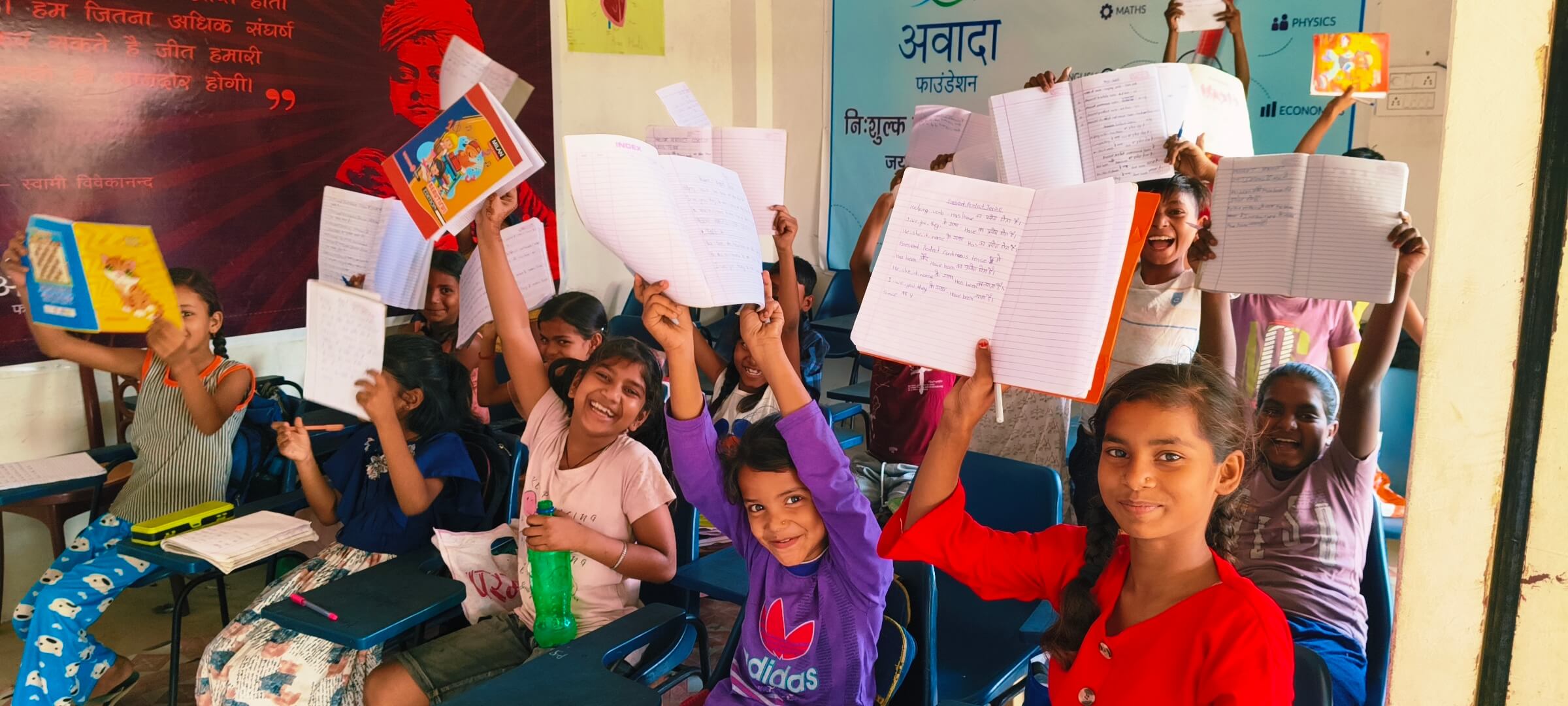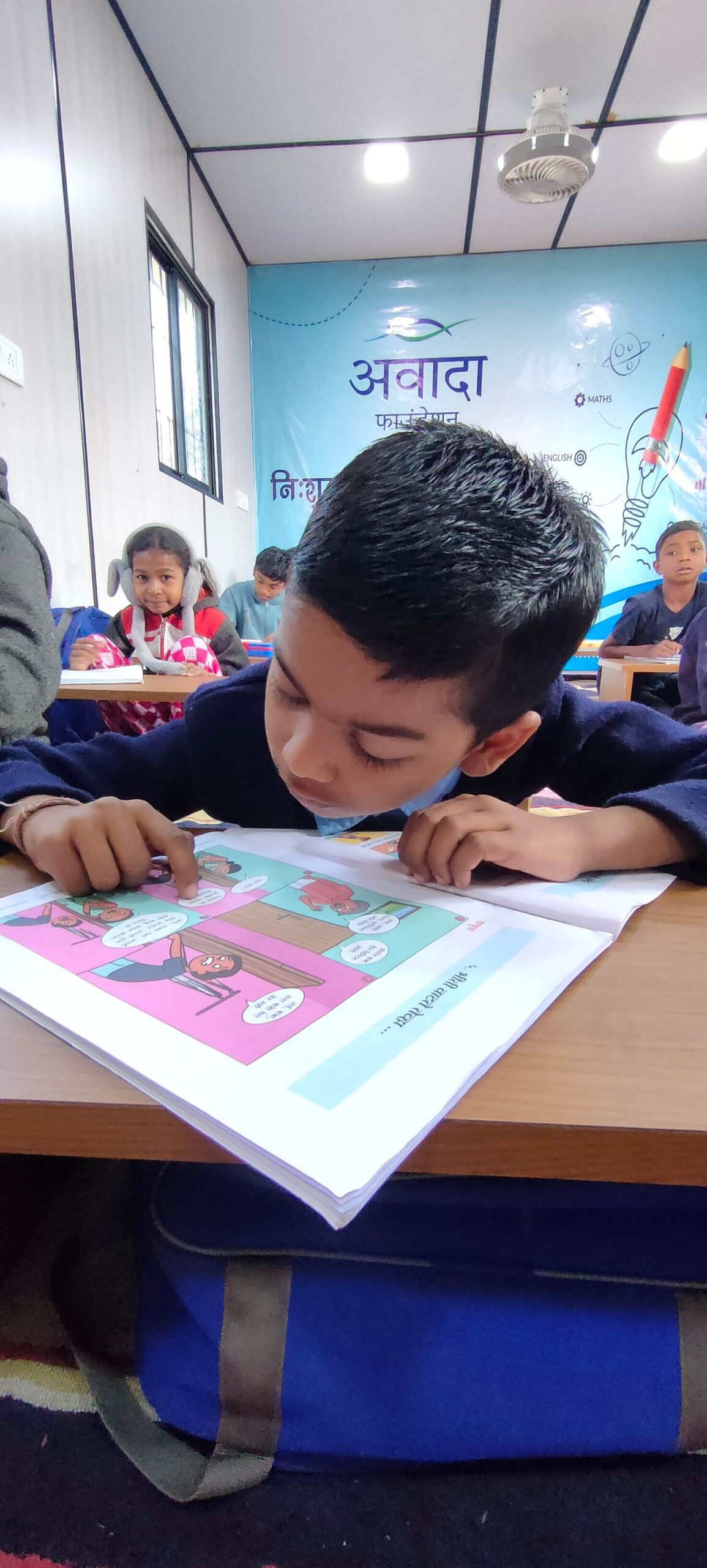
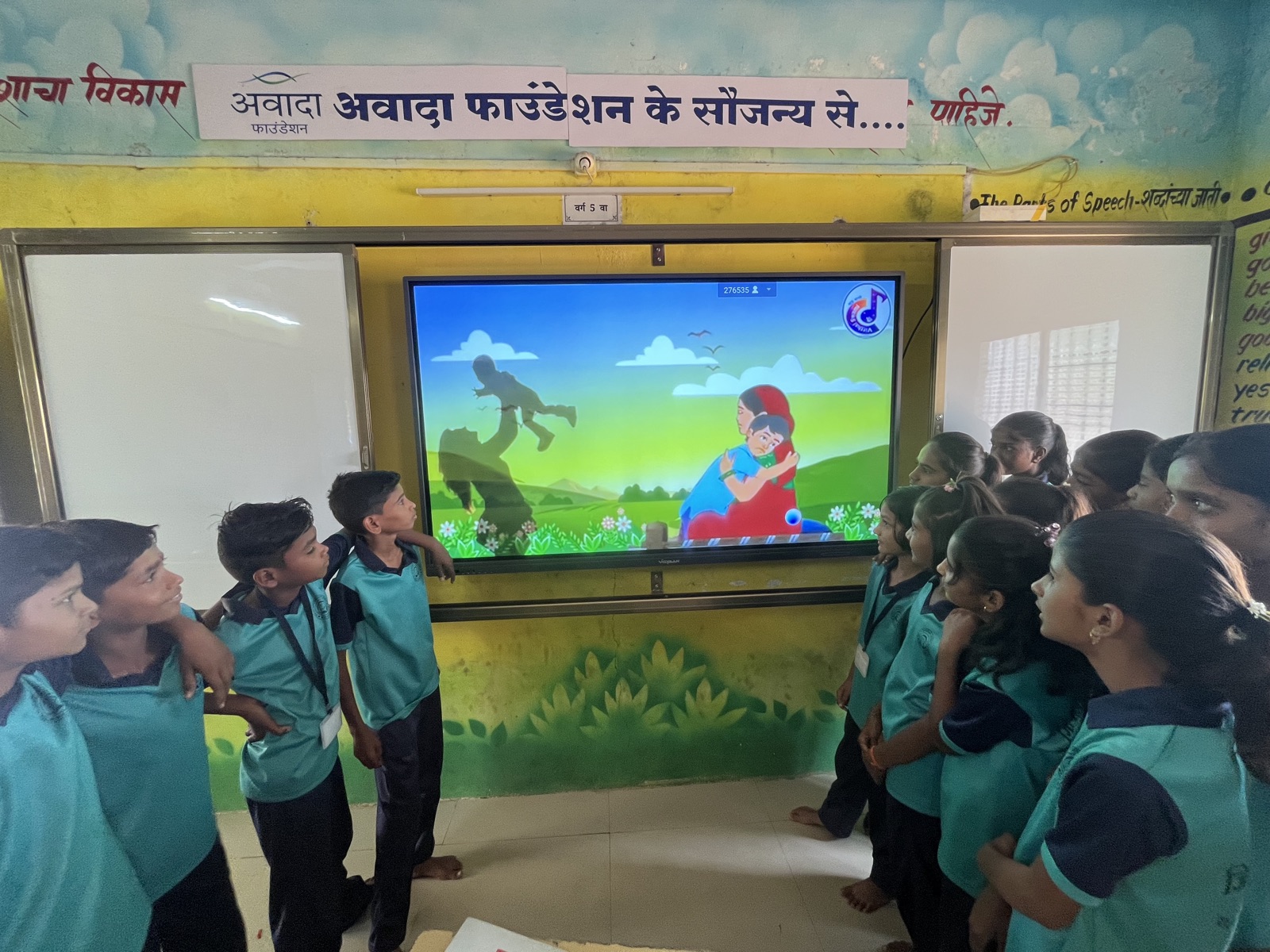
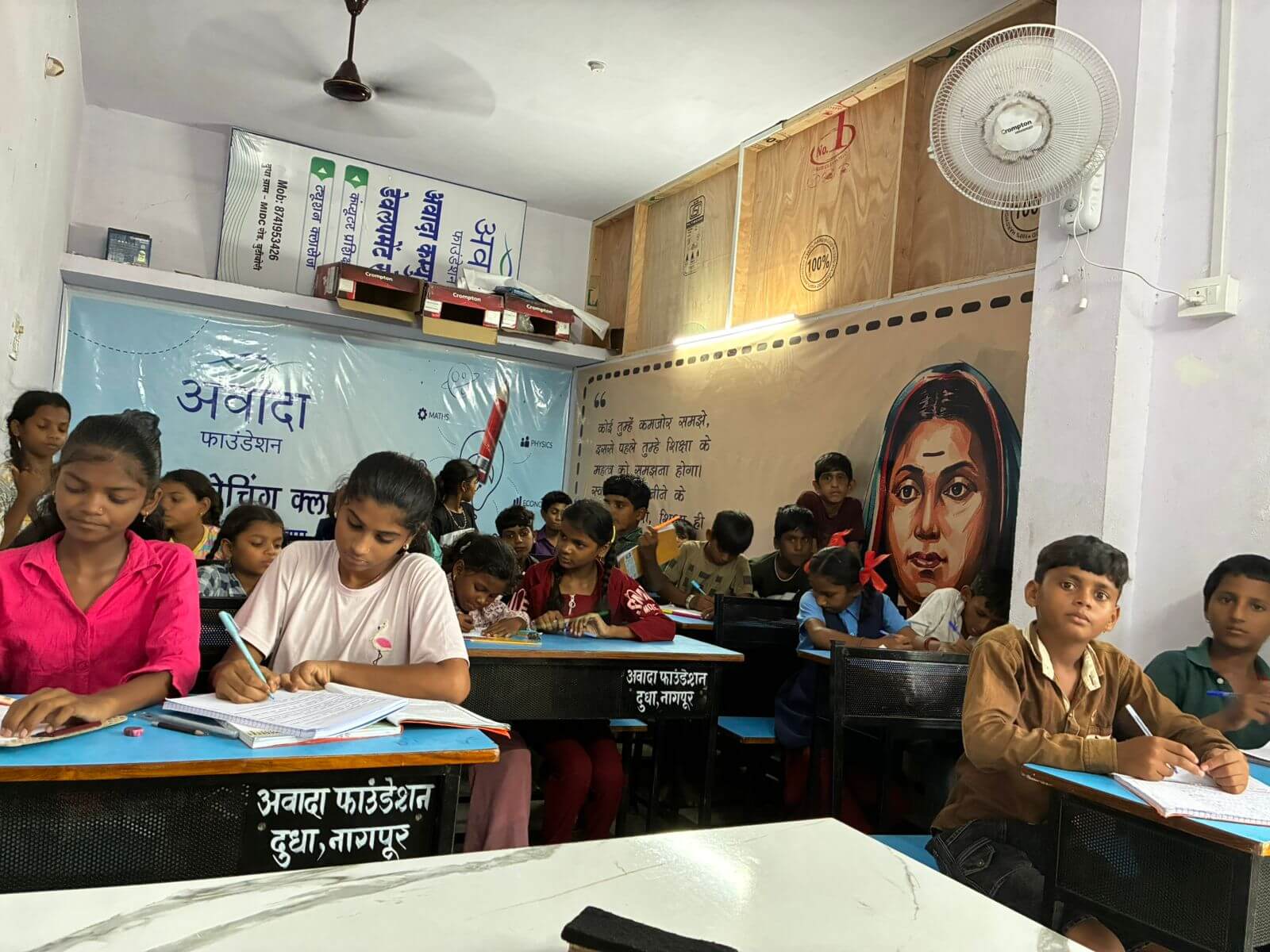
At Avaada Foundation, we have always believed that every child deserves more than just a seat in a classroom, they deserve a teacher who can guide, inspire, and help them realise their potential. Across many rural and government schools, teacher shortages have been affecting learning continuity, limiting individual attention, and placing additional pressure on existing educators. Through our teacher support initiative, we have been working to address these challenges and strengthen learning outcomes for children studying in underserved communities.
Based on local requirements, we have been supporting government schools through the deployment of qualified teachers. In some locations, our teachers have been serving throughout the academic year, while in others they have been providing focused support through part-time engagement and bridge-learning interventions. This flexible approach has been helping ensure that students continue receiving consistent academic guidance regardless of local staffing constraints.
Beyond classroom instruction, our educators have been supporting bridge-learning programmes designed to address learning gaps, strengthen foundational literacy and numeracy, and help students regain confidence in core subjects. By improving teacher-student engagement and supporting better pupil-teacher ratios, the initiative has been enabling more personalised learning experiences while also reducing the workload on existing teaching staff. This has been particularly valuable in rural and multi-grade classrooms where a single teacher is often responsible for multiple learning levels.
We have been extending this support across Mathura, Jayapur and Nagepur (PM adopted villages under Adarsh Gram Yojna) in Uttar Pradesh; Bhachau, Halra, Maygaon, Surendranagar, and Talsana in Gujarat; Dudha and Dhavalpeth in Maharashtra; Khodaila, Chichlik, Basuhari, and Adgud in Sonbhadra; Nokhra and Bhairukheera in Rajasthan; and Agar Malwa in Madhya Pradesh. Across these communities, our teachers have been contributing not only to academic progress but also to building confidence, curiosity, discipline, and a stronger culture of learning within schools.
Our efforts have been complementing national priorities under Samagra Shiksha, the NIPUN Bharat Mission, and the National Education Policy 2020 by strengthening foundational learning, promoting inclusive education, and supporting improved educational outcomes.
For us, this initiative has never been about filling vacancies. We have been working to strengthen the learning ecosystem itself, ensuring that every child has access to guidance, encouragement, and quality education. As we continue partnering with schools and communities, we have been reaffirming a simple belief: when children have someone to teach them, guide them, and believe in them, they are far more likely to believe in themselves.